Consent, Confidentiality and the End of Life
A signature on a form is not consent. It is evidence that a conversation may have happened. The gap between those two sentences is where most of the trouble in this chapter lives, and where a great deal of real harm has been done to real people, within living memory, by clinicians who were not villains. Chapter 8 handed you the four principles. This chapter is what happens when respect for autonomy stops being a phrase on a slide and becomes something you have to do on a Tuesday afternoon, with an anxious patient, a family in the corridor and forty minutes you do not have. We trace how consent moved from the law of assault to a duty of disclosure, how confidentiality acquired its exceptions, and how courts and clinicians worked out who decides when the patient cannot. Then we go where the stakes run highest and the rules run thinnest: the last weeks of a life.
By the end of this chapter you can
- Trace the movement from simple consent (a defence against battery) to informed consent (a duty of disclosure), using Schloendorff, Salgo, Canterbury v. Spence and Montgomery.
- Distinguish the professional practice standard, the reasonable person standard and the subjective standard of disclosure, and identify which governs where.
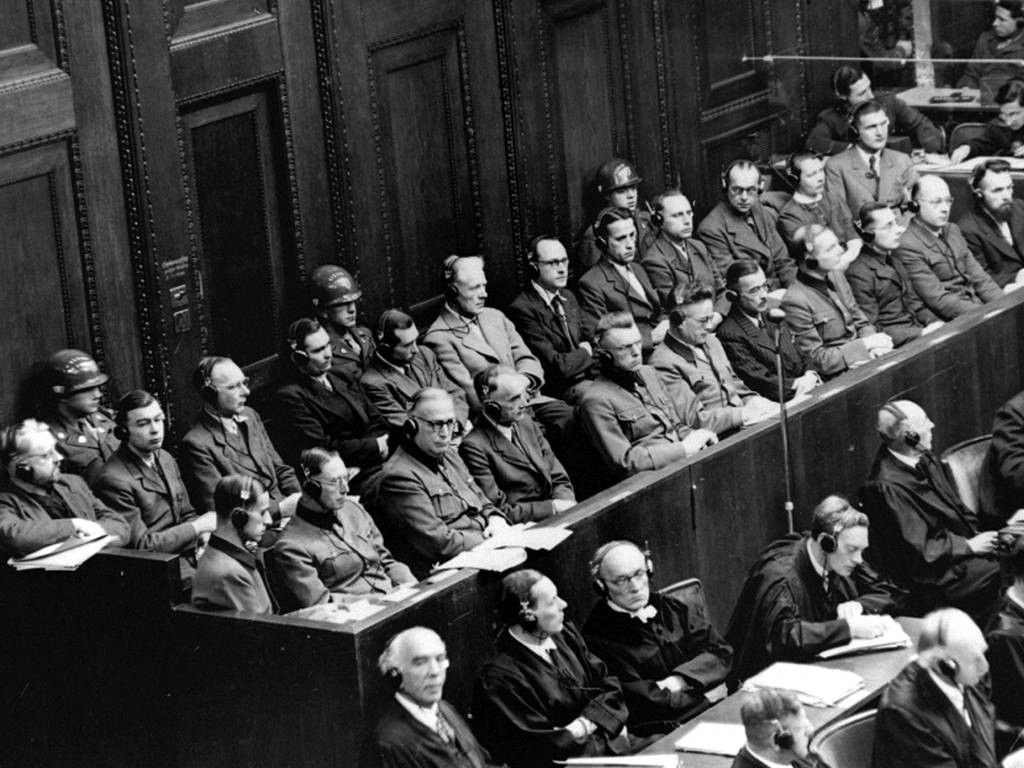
- Explain how the Nuremberg Code, the Declaration of Helsinki and the Belmont Report arose from specific research abuses, including Tuskegee and Willowbrook.
- Break a consent encounter into its five elements—capacity, disclosure, understanding, voluntariness and authorisation—and name the recognised exceptions: emergency, waiver and therapeutic privilege.
- Assess decision-making capacity using the four abilities (understanding, appreciation, reasoning, expressing a choice) and apply a sliding scale to decisions of different gravity.
- Rank the surrogate standards—expressed wishes, substituted judgement, best interests—and explain what advance directives and POLST forms do and do not accomplish.
- State the legitimate limits of confidentiality, including the Tarasoff duty to protect, mandatory reporting and the permitted disclosures under HIPAA, and identify where duties to third parties are genuinely unsettled.
- Analyse end-of-life decisions using withholding versus withdrawing, the doctrine of double effect, medical futility, and the legal landmarks from Quinlan to Cruzan to Bland.
- Compare palliative sedation, voluntarily stopping eating and drinking and medical aid in dying, and describe the safeguards and the honest empirical disputes surrounding each.
Section 1How Consent Became a Duty
From battery to disclosure
Chapter 8 named the landmarks. What we need now is what they actually decided, because the differences between them are the differences between a consent that holds and one that does not. For most of medical history, consent was a thin thing. If a surgeon cut you without any permission at all, that was battery—an unconsented touching—and you could sue. If you had said yes to something, the law largely stopped asking what you had understood. The turning point most often quoted is a 1914 New York case, Schloendorff v. Society of New York Hospital. Mary Schloendorff agreed to an examination under ether to determine the nature of a fibroid tumour; she said explicitly that she did not want an operation. The surgeon removed the tumour anyway. Judge Benjamin Cardozo, writing for the court, produced the sentence that every consent lecture since has quoted: every human being of adult years and sound mind has a right to determine what shall be done with his own body. It is worth knowing that Schloendorff lost. Charitable immunity shielded the hospital, and Cardozo’s ringing line was dictum—not the holding, just the reasoning around it. Ethics often advances by memorable obiter remarks that outlive the judgments containing them.
The phrase informed consent itself dates to 1957, in Salgo v. Leland Stanford Jr. University Board of Trustees. Martin Salgo, 55, underwent translumbar aortography and awoke permanently paralysed from the waist down; nobody had mentioned that paralysis was a known risk. The California appellate court held that a physician violates a duty by withholding facts necessary to an intelligent decision. Three years later, Natanson v. Kline (Kansas, 1960) confirmed the duty but tethered its content to custom: a physician had to disclose what a reasonable practitioner in the same community would disclose. That is the professional practice standard, and it has an obvious flaw. If the whole profession has the habit of saying little, the standard ratifies the habit.
Canterbury v. Spence (D.C. Circuit, 1972) broke the loop. Jerry Canterbury was 19 when he underwent a laminectomy for back pain; he later fell from an unattended hospital bed and was left largely paralysed. He had not been told that paralysis was a risk of the surgery, a risk his surgeon estimated at about one percent. Judge Spottswood Robinson III held that the scope of disclosure is set by the patient’s informational need, not by professional convention, and that a risk is material when a reasonable person in the patient’s position would likely attach significance to it in deciding whether to proceed. That is the reasonable person standard. A minority of jurisdictions go further to a subjective standard, asking what this patient would have found material—more faithful to autonomy, harder to prove in court, since it invites hindsight from a plaintiff who now knows how things turned out.
The United Kingdom took the long way round. Bolam (1957) had made a doctor’s conduct defensible if a responsible body of medical opinion supported it, and Sidaway (1985) extended that deference to disclosure. Then came Montgomery v Lanarkshire Health Board, decided by the UK Supreme Court in March 2015. Nadine Montgomery was diabetic and small in stature. Her obstetrician did not tell her that shoulder dystocia carried a risk of roughly nine to ten percent in a vaginal delivery for a diabetic mother, on the reasoning that mentioning it would push women toward caesarean section. Her son Sam was born with cerebral palsy and a brachial plexus injury. The Court unanimously abandoned Bolam for disclosure: a doctor must take reasonable care to ensure the patient is aware of material risks and of reasonable alternatives, with materiality judged from the patient’s standpoint. The judgment explicitly noted that patients are now widely regarded as adults capable of understanding, not passive recipients of care.
| Standard | Test for what must be disclosed | Leading case | Where it prevails | Main criticism |
|---|---|---|---|---|
| Professional practice | What a reasonable practitioner would customarily disclose | Natanson v. Kline (1960) | Roughly half of US states | Lets a silent profession set the bar; requires expert testimony |
| Reasonable person (materiality) | What a reasonable person in the patient’s position would want to know | Canterbury v. Spence (1972) | Most other US states; UK since Montgomery (2015) | The “reasonable person” is a legal fiction, not your patient |
| Subjective | What this particular patient would have found material | Scott v. Bradford (Okla. 1979) | A small minority of jurisdictions | Depends on testimony coloured by hindsight |
| Modified objective (causation, not disclosure) | Not a disclosure test at all: would this plaintiff, in her particular position, have refused the procedure had she been told? | Reibl v. Hughes (Canada, 1980) | Canada applies the reasonable-person standard above to disclosure and this test to causation; some US courts use it in causation analysis | Easily mistaken for a fourth disclosure standard |
The research track: a separate scandal, a separate cure
Clinical consent evolved through malpractice suits. Research consent evolved through atrocity, and the two now run on separate machinery that students routinely conflate. Chapter 8 set the Nuremberg Code of 1947 at the origin of bioethics; what concerns us here is what the Code required beyond its famous first sentence. Its ten points were addressed to experimentation, not to treatment, and they included obligations clinicians forget: scientific merit and prior animal work, avoidance of unnecessary suffering, a qualified investigator, and—the one most often overlooked—the subject’s liberty to withdraw at any moment without penalty. A permission that cannot be revoked was never a consent to begin with. That principle now governs every trial protocol you will ever be asked to enrol a patient into.
The Code was widely admired and widely treated as a document about Nazis rather than about medicine. The World Medical Association’s Declaration of Helsinki, adopted in Helsinki in June 1964 and revised repeatedly since (most recently in 2024), brought the rules inside mainstream research; its 1975 Tokyo revision introduced the independent review committee. In the United States the decisive push was domestic. Henry Beecher, an anaesthesiologist at Harvard, published “Ethics and Clinical Research” in the New England Journal of Medicine in June 1966, summarising twenty-two published studies from reputable institutions in which subjects had been harmed or deceived. Two of his examples became notorious in their own right: at the Willowbrook State School on Staten Island, children with intellectual disability were deliberately infected with hepatitis virus in studies running from 1956 into the early 1970s; at the Jewish Chronic Disease Hospital in Brooklyn in July 1963, live cancer cells were injected into twenty-two debilitated patients who were not told what the injections contained.
The forty-year course of the Tuskegee study is set out in Chapter 8. Its consequences for consent practice ran in two directions, and both belong here. Legally, a class action brought by the civil rights lawyer Fred Gray settled in 1974 for roughly ten million dollars and lifetime medical care for survivors and their families; President Bill Clinton apologised formally on 16 May 1997, with five survivors present in the East Room. Socially, the damage outlived the apology. A body of research has documented lower institutional trust and lower research participation among Black Americans in its wake. The size and the mechanism of that effect are genuinely debated—some work attributes more of it to present-day experiences of discrimination in care than to the historical study itself—but the direction is not in question. The practical lesson for anyone taking a consent is uncomfortable: your patient’s willingness to say yes depends on a stock of institutional credibility you did not build and can nonetheless spend.
Congress responded with the National Research Act of 1974, which created the National Commission for the Protection of Human Subjects. Its Belmont Report (1979) named three principles—respect for persons, beneficence, justice—and, more usefully, mapped each onto a procedure: respect for persons yields informed consent, beneficence yields risk–benefit assessment, justice yields fair subject selection. Those procedures became regulation in the federal Common Rule (45 CFR 46), harmonised across agencies in 1991 and substantially revised in 2018. The institutional review board, or IRB, is Belmont with a filing cabinet.
| Abuse | Dates | What was done | Regulatory consequence |
|---|---|---|---|
| Nazi camp experiments | 1939–1945 | Hypothermia, low-pressure, seawater, infection experiments on prisoners | Nuremberg Code, 1947 |
| Willowbrook hepatitis studies | 1956–1971 | Institutionalised children deliberately infected; admission pressure alleged | Cited in Beecher 1966; fed the 1974 National Research Act |
| Jewish Chronic Disease Hospital | 1963 | Live cancer cells injected into 22 patients without disclosure | New York licensure action; strengthened peer review norms |
| US Public Health Service study at Tuskegee | 1932–1972 | Untreated syphilis in 399 Black men; treatment withheld after 1947 | National Research Act 1974; Belmont Report 1979; Common Rule |
| Guatemala STD experiments | 1946–1948 | Deliberate infection of prisoners, soldiers and psychiatric patients | Uncovered 2010; US apology 2010; Presidential Commission review 2011 |
| HeLa cell line | 1951 onward | Henrietta Lacks’s tumour cells taken and commercialised without consent | 2013 NIH–family data-access agreement; 2023 private settlement |
Informed consent was not deduced from principle; it was extracted, case by case and scandal by scandal, from institutions that had every incentive to keep deciding on the patient’s behalf.
Section 2The Anatomy of a Valid Consent
Five elements, and the one everybody skips
Tom Beauchamp and James Childress, whose Principles of Biomedical Ethics you met in Chapter 8, break a valid consent into components that map neatly onto what actually goes wrong at the bedside. The patient must have capacity to decide. There must be adequate disclosure: the diagnosis, the proposed intervention, its risks and benefits, the reasonable alternatives including doing nothing, and the likely course without treatment. The patient must reach genuine understanding, not merely be exposed to information. The decision must be voluntary, free of coercion and of manipulation. And there must be an actual authorisation—an affirmative act of permission.
The element that gets skipped is understanding. It is the only one you cannot fake with a document, and the only one that requires you to stop talking. The standard remedy is the teach-back method: after explaining, ask the patient to say back, in ordinary words, what they are agreeing to and why. Not “do you have any questions?”—which reliably produces “no” from people who are frightened or who do not want to look foolish—but “I want to be sure I explained this well. What will you tell your daughter about the plan?” The framing matters. Teach-back tests the explanation, not the patient.
The scale of the problem is measurable. The 2003 National Assessment of Adult Literacy found roughly a third of US adults at basic or below-basic health literacy. Studies of surgical consent forms have repeatedly put their reading level at or above high school, against a general recommendation of sixth to eighth grade. Comprehension also decays fast: patients recall a minority of what they are told in a consultation, and the proportion falls under stress. None of this argues for telling patients less. It argues for telling them differently—fewer items, plainer words, written back-up, more than one occasion.
Voluntariness, and the difference between persuasion and manipulation
Voluntariness is not the absence of influence. Every consultation influences. The ethical question is which influences leave the decision the patient’s own. Persuasion—offering reasons and evidence a rational person can weigh—is permitted and often obligatory; a clinician who has an opinion and hides it is not being neutral, merely unhelpful. Coercion—a credible threat that makes refusal unbearable—voids consent. Between them sits manipulation: framing effects, selective disclosure, trading on fear or gratitude. Telling a patient a procedure has a ninety percent survival rate, or a ten percent mortality rate, states the same fact with predictably different uptake. You cannot escape framing, so give both frames and say so.
Institutions add pressures no individual intends. A prisoner asked to join a trial, a student asked by her own instructor to be a research subject, an undocumented patient asked to sign anything at all—each faces a hidden cost to refusal. The Common Rule accordingly names prisoners, children, pregnant people and adults with impaired decision-making as populations needing additional protections, and requires review boards to consider whether payment amounts to undue inducement. Note a live disagreement here: Emily Largent and Franklin Miller have argued that fretting about payments corrupting judgement is itself paternalistic, and that under-paying research subjects is the commoner wrong. That debate is not settled.
The three exceptions, and how narrow they are
Consent has recognised exceptions, each narrower than clinicians tend to assume. The emergency exception applies when a patient lacks capacity, no surrogate is reachable, and delay threatens life or limb; consent to standard life-saving care is then presumed. It does not extend past the emergency and it does not cover an intervention the patient is known to have refused. A waiver occurs when a patient with capacity says, in effect, “I don’t want the details—do what you think best.” That is a legitimate exercise of autonomy, but it should be offered and documented as a choice, never assumed from silence.
Therapeutic privilege is the withholding of information because disclosure would harm the patient. It survives in some jurisdictions and is deeply disfavoured, because the version clinicians reach for—this news will upset him—would swallow the rule whole. The narrow defensible version requires a specific, evidenced expectation of serious harm, such as precipitating a suicidal act, not distress. The UK Supreme Court in Montgomery called the exception limited and warned that it must not subvert the general duty. If you find yourself invoking it, the safer move is almost always to change the pace and setting of disclosure, not its content.
| Element | Question it answers | Typical failure | Practical fix |
|---|---|---|---|
| Capacity | Can this person decide this, now? | Assumed from a diagnosis, an age or a chart label | Assess the four abilities for the decision at hand |
| Disclosure | Were the material facts and alternatives given? | Alternatives and “do nothing” omitted | Name at least two options plus non-treatment, with numbers |
| Understanding | Did it land? | “Any questions?” met with silence | Teach-back in the patient’s own words; trained interpreter |
| Voluntariness | Is the choice the patient’s own? | Consent taken on the trolley, after pre-medication | Consent earlier, in clothes, with a companion if wanted |
| Authorisation | Did the patient actually permit this? | Signature collected by someone who cannot answer questions | The person who can explain the procedure takes the consent |
Culture, family and the assumption of individualism
Western consent doctrine assumes a decider who is a single adult acting for herself. That assumption is not universal, and treating it as universal is its own failure of respect. The best-known evidence is Leslie Blackhall and colleagues’ 1995 study in JAMA, which surveyed 800 elderly residents of Los Angeles across four ethnic groups. Asked whether a patient should be told of a terminal prognosis, 87 percent of European Americans and 88 percent of African Americans said yes; among Mexican Americans the figure was 65 percent, and among Korean Americans 47 percent. Comparable patterns have been reported from Italy, Japan and much of the Middle East, where family-first disclosure was long standard and in places still is.
The resolution is not to guess a patient’s preference from a surname. It is to make the mode of decision-making itself a matter of consent. Ask early and plainly: “Some people want every detail themselves; some prefer I speak mainly with their family. How would you like information handled?” If the patient delegates, that is a valid waiver—autonomy exercised, not overridden. What is not acceptable is a family instructing you to conceal a diagnosis from a competent adult who has never been asked. You can check with the patient without disclosing anything, and you should.
One practical rule admits no exception. Use a trained interpreter, in person or by phone, not the patient’s child, spouse, or the bilingual aide passing in the corridor. Glenn Flores and colleagues, studying paediatric encounters in Pediatrics in 2003, found that errors by ad hoc interpreters were substantially more likely to carry clinical consequence than errors by hospital interpreters. Title VI of the Civil Rights Act of 1964 makes language access a legal obligation for federally funded providers; the ethics ran well ahead of the statute.
Valid consent is a process with five moving parts, and the part most often missing is understanding—which no form can supply and only a conversation can test.
Section 3Capacity, Surrogates and Planning Ahead
Capacity is not competence, and it is not global
Competence is a legal status determined by a court. Decision-making capacity is a clinical judgement made at the bedside, and it does not require a psychiatrist—the clinician proposing the treatment is usually the right person to assess it. Two properties of capacity cause most of the confusion. First, it is decision-specific: a woman with moderate dementia may lack capacity to consent to a Whipple procedure and retain capacity to refuse a flu shot or to name her son as her proxy. Second, it is time-specific: delirium fluctuates, sedation wears off, hypoglycaemia corrects. A capacity finding is a snapshot, and the honest note says which decision and when.
Paul Appelbaum and Thomas Grisso set out the operative framework in the New England Journal of Medicine in 1988 and Appelbaum restated it there in 2007. Capacity comprises four abilities. Understanding: can the patient restate the relevant information? Appreciation: does she recognise that it applies to her, rather than to patients in general? Reasoning: can she compare options and manipulate the information logically to reach a conclusion? Expressing a choice: can she communicate a stable decision? Appreciation is where psychiatric and neurological conditions most often bite. A patient can recite the risks of leaving against advice with textbook accuracy and still, because of psychotic denial of illness, not believe that any of it concerns him.
James Drane’s sliding scale, from a 1985 Hastings Center Report essay, adds a defensible asymmetry: the threshold of capacity required should rise with the risk of the decision and the imbalance between the benefits and burdens of the options. Agreeing to a low-risk, high-benefit intervention requires only that the patient be aware and assenting. Refusing a high-benefit, low-risk intervention—antibiotics for a treatable sepsis—warrants a more searching assessment. Critics of the sliding scale, including some disability scholars, note that in practice it operates only in one direction: patients who agree with us are rarely assessed at all. That criticism has real force. The corrective is to apply the same scrutiny to a risky yes as to a risky no.
England and Wales codified much of this in the Mental Capacity Act 2005, in force from 2007. Its five statutory principles are worth memorising because they are better drafted than most ethics guidance: capacity is presumed; a person is not to be treated as unable to decide until all practicable steps to help them decide have failed; an unwise decision is not itself evidence of incapacity; anything done for someone lacking capacity must be in their best interests; and it must be the least restrictive option available. That third principle is the one that saves patients from us. Refusing a recommended treatment is not a symptom.
| Ability | What you are testing | A question that tests it | Classic failure |
|---|---|---|---|
| Understanding | Retention and restatement of the facts | “In your own words, what did I say the operation involves?” | Delirium, severe dementia, language barrier misread as incapacity |
| Appreciation | Application of the facts to oneself | “What do you think is actually happening with your own heart?” | Psychotic denial; anosognosia after stroke |
| Reasoning | Comparison and inference across options | “How did you weigh surgery against the tablets?” | Severe depression collapsing all options to “it doesn’t matter” |
| Expressing a choice | A communicable, reasonably stable decision | “So what would you like us to do?” | Catatonia; aphasia (needs communication aids, not a capacity finding) |
Minors, and the awkward middle
Children complicate everything, because capacity develops gradually while legal authority arrives all at once. Most jurisdictions distinguish consent, which a parent or guardian gives, from assent, the child’s own agreement, which should be sought from roughly age seven and given real weight thereafter. The American Academy of Pediatrics has argued since its 1995 statement that soliciting assent and then proceeding regardless, without telling the child that agreement was not actually required, teaches the child that consent is theatre.
Exceptions cluster where requiring parental involvement would deter care altogether. Most US states allow minors to consent independently to some combination of contraception, sexually transmitted infection testing and treatment, prenatal care, and substance use or mental health services; the exact list varies state by state and changes. Emancipated minors—married, in military service, or judicially emancipated—consent as adults. The mature minor doctrine, recognised by courts in a number of states, allows an older adolescent judged to understand the decision to consent to treatment on her own. English law arrived at a similar destination through Gillick v West Norfolk and Wisbech Area Health Authority, decided by the House of Lords in 1985, which held that a child under sixteen with sufficient understanding and intelligence can consent to medical treatment; the phrase Gillick competence comes from it.
Two persistent tensions deserve naming. The first is billing: an adolescent may consent lawfully to confidential care and then be exposed when an explanation of benefits arrives at the family address—a plumbing problem with ethical consequences, and one that several states have legislated to fix. The second is refusal. Courts have been far more willing to let a mature minor accept treatment than to let one refuse life-saving treatment, which some scholars defend as protecting a still-forming self and others criticise as autonomy granted only when convenient. Both readings are defensible; the asymmetry is real, and you should be able to say why it exists.
When the patient cannot decide: the surrogate ladder
If capacity is absent, someone must decide, and there is a settled order of preference for the standard the surrogate applies. First, expressed wishes: a clear, applicable instruction the patient gave while capacitated, in a written advance directive or a documented conversation. Second, substituted judgement: the surrogate reconstructs what this patient would have chosen, from her values, her prior statements, the life she led. Third, and only when the first two give no purchase, best interests: an assessment of benefits and burdens for a reasonable person in the patient’s situation.
The empirical record for substituted judgement is sobering and worth knowing. A systematic review by David Shalowitz, Elizabeth Garrett-Mayer and David Wendler, published in Archives of Internal Medicine in 2006, pooled sixteen studies with more than 2,500 patient–surrogate pairs and found surrogates predicted patients’ treatment preferences correctly about 68 percent of the time—better than chance, worse than families and clinicians assume, and no better when the surrogate was patient-designated or when the pair had discussed the matter beforehand. This does not make substituted judgement worthless. It does mean you should ask surrogates for evidence, not intuition: not “what do you want us to do?” but “what did she say when her sister was dying?”
Who serves as surrogate is governed by statute in most US states, with a default hierarchy that typically runs spouse, adult child, parent, sibling, then other relative or close friend; a patient-appointed agent under a durable power of attorney for health care outranks the whole list. The Patient Self-Determination Act, effective December 1991, requires Medicare- and Medicaid-participating facilities to ask patients on admission whether they have an advance directive and to inform them of their rights—a modest procedural mandate that raised awareness far more than it raised completion rates.
Advance directives, POLST, and why documents underperform
An advance directive is an anticipatory instrument, and it comes in two flavours that do different jobs. The living will specifies treatments wanted or refused under stated conditions. The health care proxy or durable power of attorney appoints a person. Ethicists broadly agree that the proxy is the more robust instrument, because no document can anticipate the clinical situation that actually arrives, while a well-briefed person can adapt.
Living wills have been criticised hard, most famously by Angela Fagerlin and Carl Schneider in a 2004 Hastings Center Report essay arguing that the instrument has failed on every one of its own premises: too few people complete one, those who do often express preferences unstably, the documents are frequently unavailable when needed, their language rarely maps onto the decision at hand, and surrogates misread them anyway. Others reply that the exercise of advance care planning—the conversation, not the paper—retains value in preparing families and reducing decisional conflict. Recent commentary, including a widely discussed 2021 JAMA viewpoint by Sean Morrison, Diane Meier and Robert Arnold, has pressed the point that advance directives have not reliably changed the care people receive. The reasonable conclusion is that documents are necessary but weak, and conversations are what do the work.
POLST—Physician (or Portable) Orders for Life-Sustaining Treatment, called MOLST or POST in some states—is a different animal, and confusing it with an advance directive is a frequent and consequential error. Developed in Oregon in 1991, POLST is a standing medical order, signed by a clinician, portable across settings, and immediately actionable by paramedics. It is meant for people who are seriously ill or frail, whose death within a year would not surprise their clinician, and it addresses concrete decisions: attempt resuscitation or not, the intensity of medical intervention, artificial nutrition. An advance directive is for everyone over eighteen and speaks to a future; POLST is for the seriously ill and speaks to now.
| Instrument | Who it is for | Legal character | What it does | Main limitation |
|---|---|---|---|---|
| Living will | Any competent adult | Statement of wishes | Records treatments wanted or refused in stated conditions | Rarely matches the actual clinical situation |
| Durable power of attorney for health care | Any competent adult | Appointment of an agent | Names who decides; agent can adapt to events | Only as good as the briefing the agent received |
| POLST / MOLST | Seriously ill or frail patients | Signed medical order | Directs care now, across settings, including by EMS | Misapplied to healthy people; needs review as illness changes |
| Out-of-hospital DNR | Patients declining resuscitation at home | Signed order or bracelet | Prevents unwanted resuscitation by responders | Addresses one decision only |
| Psychiatric advance directive | People with relapsing psychiatric illness | Directive, sometimes with a Ulysses clause | Records treatment preferences and triggers for a future episode | Revocability during crisis is legally contested |
Capacity is decision-specific and time-specific, surrogates guess a patient’s wishes correctly only about two-thirds of the time, and the conversation that briefs a proxy does more good than any form the patient signs.
Section 4Confidentiality and Its Limits
Why the duty exists at all
The Hippocratic corpus already contains the promise: whatever I see or hear in the course of treatment, and which ought not to be spoken abroad, I will keep to myself. Twenty-five centuries later the justification has three strands, and knowing which one you are relying on tells you how far the duty stretches. The consequentialist argument is about access: if people believe their disclosures will travel, some will conceal symptoms, delay care, or lie—which harms them and, in infectious disease, harms everyone else. The deontological argument is about respect: information about a person’s body and history is theirs, and taking it into your keeping creates a duty of stewardship. The fidelity argument is about promising: professionals hold themselves out as safe, and a profession that breaks that implicit promise casually is not trustworthy at all.
The three come apart under pressure. The consequentialist argument is the weakest at the individual level—one quiet breach rarely deters anybody—and the strongest at the system level, which is why public health law protects surveillance data so fiercely. The fidelity argument explains why the sting of a breach is so personal: patients do not experience a leaked HIV status as a statistical harm.
Where the duty stops: Tarasoff and the duty to protect
On 27 October 1969, Prosenjit Poddar killed Tatiana Tarasoff at her home in Berkeley, California. Poddar had been a voluntary outpatient at the university’s student health service, where he told his psychologist, Lawrence Moore, of his intention to kill an unnamed but readily identifiable young woman. Moore wrote to the campus police asking that Poddar be detained; officers interviewed him, judged him rational, and released him after he promised to stay away from Tarasoff. The head of psychiatry then directed that Moore’s letter be returned and his notes destroyed. Nobody warned Tatiana or her family.
The Supreme Court of California ruled twice. In 1974 it announced a duty to warn the intended victim. On rehearing in 1976—the decision usually meant by Tarasoff—it recast the obligation as a broader duty to protect, dischargeable by warning the victim, notifying police, initiating civil commitment, or whatever the circumstances reasonably require. Justice Mathew Tobriner supplied the sentence that survived: the protective privilege ends where the public peril begins.
Three qualifications matter. First, Tarasoff is state law, not a national rule, and jurisdictions have gone in different directions; the Texas Supreme Court in Thapar v. Zezulka (1999) declined to recognise a duty to warn at all, and many states have enacted statutes that make disclosure permissive rather than mandatory and cap liability when a clinician acts in good faith. Second, the trigger in most formulations is a serious threat of violence against a reasonably identifiable person, not generalised dangerousness. Third, and least comfortable, clinicians predict violence poorly, so the duty asks professionals to act on a judgement the evidence says they make with modest accuracy. England reached comparable ground by a different route in W v Egdell (1990), where the Court of Appeal held a psychiatrist justified in disclosing his report to the hospital and the Home Office because the public interest in safety outweighed the patient’s interest in confidence.
| Situation | Disclosure permitted or required? | To whom | Limiting principle |
|---|---|---|---|
| Notifiable infectious disease | Required by statute | Public health authority | Named list of conditions; data protected downstream |
| Suspected child or elder abuse | Child abuse: required in every US state for named professions. Elder abuse: required in most, permissive in a few | Protective services or police | Reasonable suspicion suffices; investigating is not your job |
| Serious threat to an identifiable person | Permitted or required, depending on jurisdiction | The person at risk and/or police | Identifiable target; least disclosure that removes the peril |
| Treatment, payment, health care operations | Permitted without authorisation under HIPAA | Involved clinicians, payers, quality staff | Minimum necessary (not applied to treatment) |
| Court order or subpoena | Order: required. Subpoena: qualified | The court | A subpoena is not self-executing—seek counsel first |
| Impaired or unsafe colleague | Required by most professional codes | Supervisor, licensing board, safe-haven programme | Report the safety concern, not the diagnosis |
| Research use of identifiable data | Requires authorisation or an IRB waiver | Investigators | Waiver requires minimal risk and impracticability |
HIPAA: less than people think, and more
The Health Insurance Portability and Accountability Act passed in 1996; its Privacy Rule took effect on 14 April 2003, the Security Rule followed in 2005, and the HITECH Act of 2009 and the Omnibus Rule of 2013 added breach notification and extended direct liability to business associates. Two chronic misunderstandings are worth correcting. First, HIPAA does not forbid clinicians involved in a patient’s care from talking to each other; treatment, payment and health care operations are permitted uses, and the minimum necessary standard expressly does not apply to disclosures for treatment. HIPAA is regularly invoked to justify refusing information to the people who most need it. Second, HIPAA covers only covered entities and their business associates—providers, plans and clearinghouses. Your fitness tracker, your period app, your genealogy DNA service and most wellness platforms sit entirely outside it, and that gap widens every year as health data migrates to companies no health-privacy statute reaches.
The everyday breaches are not hackers. They are the lift, the cafeteria, the ward corridor and the curious click. In 2008 employees at UCLA Medical Center were found to have accessed the records of celebrity patients, including Britney Spears and Farrah Fawcett; more than a dozen were dismissed, California enacted new penalties, and the health system reached an $865,500 settlement with federal regulators in 2011. The lesson generalises: modern records log every view, curiosity is not a treatment relationship, and looking up a neighbour, an ex, a colleague or your own family member is a firing offence in most institutions and a reportable breach in many.
Some categories carry heightened protection. Federal rules at 42 CFR Part 2 have long placed substance use disorder treatment records under stricter consent requirements than HIPAA, on the reasoning that fear of exposure keeps people out of treatment; a 2024 final rule brought the two frameworks closer together while preserving extra safeguards on use in legal proceedings. Many states add specific protections for HIV status, mental health notes and reproductive care.
The genetic problem: information that is never only yours
Genetic information breaks the model that confidentiality assumes, because a result about one person is partly a result about their siblings, children and parents. If a woman tests positive for a pathogenic BRCA1 variant, her sister’s risk profile has changed whether or not the sister ever hears about it. Standard practice is to encourage and support the patient in telling relatives, and this usually works. When it does not, the ethics become genuinely contested.
The clearest legal test came in England. In ABC v St George’s Healthcare NHS Trust, a man in a secure hospital was diagnosed with Huntington disease and refused to let clinicians tell his pregnant daughter, who learned of the diagnosis after her child was born and later tested positive herself. The Court of Appeal in 2017 allowed the claim to proceed, and in February 2020 the High Court held that clinicians did owe her a duty to balance her interest in knowing against her father’s confidentiality—while finding, on the facts, that the duty had not been breached. So a duty to weigh exists; a duty to disclose does not automatically follow. American guidance is similarly cautious. The American Society of Clinical Oncology and the American Society of Human Genetics have both taken the position that disclosure to at-risk relatives without consent may be ethically permissible in narrow circumstances—serious, preventable harm, and refusal after counselling—but neither treats it as a duty.
Discrimination law lags the science. The US Genetic Information Nondiscrimination Act of 2008 (GINA) prohibits the use of genetic information in health insurance underwriting and in employment decisions. It does not cover life insurance, disability insurance or long-term care insurance, and it does not apply to employers with fewer than fifteen employees. Patients contemplating predictive testing deserve to know this before they are tested, not after.
The adolescent billing problem noted earlier is structurally similar: the law grants a minor confidential care and the insurer’s paperwork undoes it. Several states now permit confidential communication requests that redirect the explanation of benefits, and some suppress it for sensitive services altogether. Knowing your own jurisdiction’s rules, and the local workarounds, is clinical skill rather than administrative trivia—because a promise of confidentiality you cannot actually keep is worse than no promise at all.
Confidentiality is a strong default with specified exceptions—identifiable danger, mandated reporting, lawful process—and nearly all real breaches happen not through those doors but through casual talk and idle clicks.
Section 5Decisions at the End of Life

The cases that built the law
Modern end-of-life law starts with a 21-year-old woman in New Jersey. Karen Ann Quinlan collapsed on 15 April 1975 after consuming alcohol with tranquillisers, suffered prolonged anoxia, and entered what was then called a persistent vegetative state. Her parents, devout Catholics advised by their priest that extraordinary means were not obligatory, asked that the ventilator be stopped. The hospital refused. On 31 March 1976 the New Jersey Supreme Court held in In re Quinlan that a right of privacy encompassed a decision to decline extraordinary treatment, that her father could exercise it on her behalf, and—a lasting institutional consequence—that hospital ethics committees offered a better forum than courts. Quinlan was weaned from the ventilator and lived, breathing on her own, until 11 June 1985. That fact alone should temper anyone’s confidence in prognostication.
Cruzan v. Director, Missouri Department of Health (1990) took the question to the US Supreme Court. Nancy Cruzan had been thrown from her car on 11 January 1983 and left in a persistent vegetative state; her parents sought withdrawal of a feeding tube. The Court, on 25 June 1990 and by five votes to four, assumed that a competent person has a constitutionally protected liberty interest in refusing life-sustaining treatment, explicitly including artificial nutrition and hydration—but held that a state may require clear and convincing evidence of an incompetent patient’s wishes. Missouri had that standard, so the family lost. Former co-workers then came forward with recollections of Nancy’s statements, a state court found the evidence sufficient, the tube was removed on 14 December 1990 and she died on 26 December. Congress had already moved: the Patient Self-Determination Act was enacted in November 1990, five months after the ruling and weeks before her death.
Britain reached the same destination through Airedale NHS Trust v Bland (1993). Tony Bland, 18 at the time, was crushed in the Hillsborough stadium disaster on 15 April 1989 and left in a persistent vegetative state. The House of Lords held in February 1993 that continued artificial nutrition and hydration conferred no benefit and could lawfully be withdrawn. The Law Lords were candid about the reasoning: withdrawal was classified as an omission rather than an act, and several of them said openly that the distinction was doing more work than it comfortably could bear, and that Parliament ought to address the matter. Parliament largely has not.
Then came the case everyone remembers for the wrong reasons. Theresa Marie Schiavo collapsed on 25 February 1990 in St Petersburg, Florida. Her husband Michael sought withdrawal of her feeding tube; her parents, Robert and Mary Schindler, contested it. The litigation ran from 1998 to 2005 through dozens of judicial decisions, a Florida statute struck down as unconstitutional in 2004, and federal legislation signed on 21 March 2005 that transferred the case to a federal court, which declined to intervene. The tube was removed on 18 March 2005; she died on 31 March. The autopsy released in June 2005 reported a brain weighing about 615 grams, roughly half the expected weight, with damage to the occipital lobes consistent with blindness. The case did not change the law. It changed the politics, and it drove a measurable surge in advance directive completion.
| Case | Year | Jurisdiction | Holding | Lasting effect |
|---|---|---|---|---|
| In re Quinlan | 1976 | New Jersey | Guardian may decline extraordinary treatment for an incompetent patient | Legitimised hospital ethics committees |
| Barber v. Superior Court | 1983 | California | Withdrawing life support is not homicide; it is cessation of treatment | Removed criminal exposure for withdrawal |
| Cruzan | 1990 | United States | Liberty interest in refusing treatment; states may demand clear and convincing evidence | Patient Self-Determination Act 1990 |
| Airedale NHS Trust v Bland | 1993 | United Kingdom | Artificial nutrition and hydration may be withdrawn when of no benefit | Set the UK framework for prolonged disorders of consciousness |
| Glucksberg and Vacco | 1997 | United States | No constitutional right to assisted suicide; refusing treatment differs from assistance | Left assisted dying to the states |
| Schiavo litigation | 1998–2005 | Florida and federal | Existing surrogate law applied; extraordinary interventions rejected | Public awareness; surge in advance directives |
| Carter v Canada | 2015 | Canada | Blanket prohibition on assisted dying violated the Charter | Bills C-14 (2016) and C-7 (2021) |
Four distinctions that do real work
The first is withholding versus withdrawing. Clinicians feel these differently—stopping a ventilator feels like doing something, never starting it feels like standing back—but the settled consensus of bioethics, and of every major professional body that has addressed it, is that they are morally equivalent when the justification is the same. The practical argument is decisive: if withdrawal were harder to justify than withholding, no one would ever dare start a time-limited trial of treatment, and patients who might have benefited would be denied a ventilator or dialysis because we feared being unable to stop. Treating the two as equivalent is what makes trials of therapy possible.
The second is killing versus allowing to die. Letting a disease take its course, having declined to obstruct it, is generally held to differ from administering a lethal agent, in causation, intention and the availability of the patient’s refusal right. James Rachels attacked this distinction in the New England Journal of Medicine in 1975 with his bathtub case—Smith drowns his cousin; Jones would have, but watches him slip and drown—arguing that we judge both equally monstrous, so the bare act/omission difference carries no moral weight. Defenders reply that Rachels holds motive fixed at murderous and therefore proves only that a bad motive spoils either route, not that the distinction is idle when motives are decent. The dispute is genuine and unresolved. What is not in dispute is that a capacitated patient may refuse any treatment, including one keeping them alive, and that honouring that refusal is not killing.
The third is the doctrine of double effect, traceable to Thomas Aquinas’s discussion of self-defence in the Summa Theologiae. An act with a good intended effect and a foreseen bad side effect can be permissible if four conditions hold: the act itself is not intrinsically wrong; the bad effect is foreseen but not intended; the bad effect is not the means to the good one; and there is proportionate reason. Applied to symptom control, it licenses giving opioids sufficient to relieve severe pain even at some risk of hastening death. Two honest caveats. Double effect is a contested doctrine, criticised for resting on hard-to-verify claims about inner intention. And the empirical premise is largely false: appropriately titrated opioids for pain and dyspnoea in dying patients have not been shown to shorten survival, and several studies suggest the opposite. The doctrine is invoked far more often than it is needed.
The fourth is brain death. The Harvard Ad Hoc Committee’s 1968 JAMA report proposed irreversible coma as a criterion of death; the President’s Commission report Defining Death and the Uniform Determination of Death Act, both 1981, settled US law on two alternative standards—irreversible cessation of circulatory and respiratory functions, or irreversible cessation of all functions of the entire brain including the brainstem. This is a legal determination of death, not a prognosis, and a patient meeting the criteria is dead whatever the monitor shows. It remains contested at the margins: some clinicians and philosophers, including the neurologist Alan Shewmon, have argued that somatic integration can persist after whole-brain criteria are met, and the case of Jahi McMath—declared brain dead in Oakland in December 2013, transferred to New Jersey under that state’s religious exemption, and pronounced dead again in June 2018—made the disagreement painfully public. New Jersey and, in practice, New York accommodate religious objection; most states do not.
Futility, and who gets to say a treatment is pointless
“Futile” is one of the most abused words in clinical ethics, because it smuggles a value judgement inside what sounds like a physiological claim. Physiological futility is narrow and defensible: the intervention cannot produce its immediate effect—chest compressions will not restore circulation in a patient with a ruptured aorta. Qualitative or quantitative futility—it will work but the resulting life is not worth having, or the odds are too poor—is a judgement about goals and values, and the clinician has no special authority over it. Lawrence Schneiderman, Nancy Jecker and Albert Jonsen proposed in 1990 that a treatment failing in the last hundred cases be presumed futile; critics have never accepted that any threshold escapes the values problem.
Because the underlying dispute is about values, most institutions now favour a fair procedure over a definition. Texas legislated one: the Texas Advance Directives Act of 1999, at section 166.046, allowed a hospital ethics committee to authorise withdrawal over a surrogate’s objection, with an obligation to seek transfer during a defined waiting period—originally ten days, extended and hedged with additional protections by legislation effective in September 2023. It is the most explicit statute of its kind in the country and it remains sharply criticised, particularly by disability rights advocates, for allowing an institution to be judge in its own cause. The safer general practice, endorsed in a 2015 multi-society policy statement led by the American Thoracic Society, is to reserve the word futile for the strictly physiological case, call everything else potentially inappropriate, and route disagreement through consultation, second opinions and transfer offers before anything unilateral.
Most conflicts, in truth, are not about facts. They are about trust, guilt, faith and family history. A daughter insisting on full escalation may be expressing that she was absent for years, or that her community has been dismissed by hospitals before, or that stopping feels to her like consenting to a death. Ethics consultation exists partly to surface those currents; a randomised trial by Lawrence Schneiderman and colleagues, published in JAMA in 2003 across seven hospitals, found that ethics consultation in intensive care reduced ICU days and days of life-sustaining treatment among patients who ultimately died, with no difference in overall mortality.
Comfort, sedation, and the boundary at assisted dying
The alternative to escalation is not abandonment. Modern palliative care dates from Cicely Saunders, a nurse, almoner and then physician, who opened St Christopher’s Hospice in Sydenham, south London, in 1967 and taught that pain in dying is total pain—physical, psychological, social, spiritual. The US Medicare hospice benefit followed in 1982. The evidence base is now strong enough to be startling: Jennifer Temel and colleagues, in the New England Journal of Medicine in 2010, randomised patients with newly diagnosed metastatic non-small-cell lung cancer to early palliative care alongside oncology or oncology alone, and found better quality of life, less depression, less aggressive care near death—and longer median survival, 11.6 months against 8.9. Comfort-focused care is not giving up, and telling patients otherwise is a factual error, not a philosophical position.
Between ordinary symptom control and assisted dying lie two options that many people do not know exist. Palliative sedation lowers consciousness, proportionally and usually reversibly, to relieve symptoms refractory to everything else—intractable dyspnoea, agitated delirium, seizures. It is widely accepted, justified by double effect and by proportionality, and it is distinguished from euthanasia by intent, dose titration and the fact that the aim is relief of symptoms rather than death. Voluntarily stopping eating and drinking (VSED) is a decision by a capacitated patient to cease intake; it is legally an exercise of the right to refuse, typically leads to death in one to three weeks, and requires meticulous mouth care and support. Neither is a loophole; both are recognised practice.
Medical aid in dying—a clinician provides, and in some jurisdictions administers, a lethal medication at the competent request of a person who is dying—remains the sharpest disagreement in this field, and the honest position is that thoughtful people land on both sides for reasons that are not stupid. The US Supreme Court held unanimously in Washington v. Glucksberg and Vacco v. Quill (1997) that there is no constitutional right to assistance in dying, while noting that refusing treatment and requesting lethal medication differ in intent and causation; that left the field to the states. Oregon’s Death with Dignity Act, narrowly approved by voters in November 1994 and reaffirmed by a wider margin in 1997, took effect on 27 October 1997 and survived federal challenge in Gonzales v. Oregon (2006). About a dozen US jurisdictions now permit it, nearly all on an Oregon-style statutory model requiring terminal illness with a prognosis of six months or less, capacity, repeated requests, self-administration and a waiting period; Montana is the outlier, where the practice rests on a 2009 state supreme court decision rather than a statute.
Oregon’s annual reports are the best public data anywhere, and they complicate both sides’ talking points. Deaths under the Act have stayed at or below roughly one percent of all Oregon deaths, though the annual count has risen steadily. The reasons participants give are dominated not by pain but by loss of autonomy, inability to do the things that made life enjoyable, and loss of dignity, each cited by most participants; concern about inadequate pain control is cited by roughly a third, and being a burden on family by around half. Participants have been disproportionately white, insured, educated and enrolled in hospice—which cuts against the prediction that legalisation would be visited on the poor, but does not close the question of subtler pressures. Elsewhere the picture differs by design: the Dutch and Belgian statutes, both in force from 2002, work on a suffering-based rather than terminal-prognosis model, permitting physician administration and, in limited circumstances, extending to psychiatric suffering. Canada moved fastest of all, from Carter v Canada in February 2015 through Bill C-14 (2016) and Bill C-7 (2021), which removed the requirement that natural death be reasonably foreseeable; medically assisted deaths reached roughly 15,300 in 2023, about 4.7 percent of all Canadian deaths, and eligibility for those whose sole condition is mental illness has been repeatedly postponed amid unresolved argument about irremediability. Whatever your view, the Canadian trajectory is the strongest available evidence in the empirical dispute over whether safeguards hold or loosen—and both camps read it as supporting their case.
The law now clearly permits capacitated patients and their surrogates to refuse or stop life-sustaining treatment; what remains contested is not the right to refuse but the boundary between relieving suffering and causing death.
The chapter in one breath
Three duties, one root. Consent, confidentiality and the care of the dying all follow from taking seriously that a patient is a person with a life of her own rather than a body with a problem in it. Consent moved from a defence against battery in Schloendorff to a duty of disclosure in Canterbury and Montgomery, and it acquired its research counterpart the hard way—through Nuremberg, Willowbrook and forty years at Tuskegee. A valid consent has five parts, and the part most often missing is understanding, which only teach-back can test. When capacity is absent, the four abilities tell you so, and surrogates work down a ladder from expressed wishes through substituted judgement to best interests, guessing correctly about two-thirds of the time. Confidentiality holds by default and yields to identifiable danger, mandated reporting and lawful process, while genetics strains the very idea of information belonging to one person. At the end of life the law is settled where people think it is fraught—refusal and withdrawal are lawful—and unsettled where they assume it is obvious: futility, sedation, and assistance in dying. Everywhere, the document is evidence and the conversation is the thing.
Words worth knowing
| Term | What it means |
|---|---|
| Informed consent | Authorisation by a patient with capacity who understands the diagnosis, the proposed intervention, its risks and benefits, and the reasonable alternatives including no treatment. A process, not a form. |
| Battery (medical) | An unconsented touching. The original legal wrong that consent doctrine grew out of, distinct from negligent failure to disclose. |
| Material risk | A risk a reasonable person in the patient’s position would attach significance to when deciding. The test from Canterbury v. Spence (1972) and Montgomery (2015). |
| Therapeutic privilege | The narrow, disfavoured exception permitting withholding of information where disclosure itself would cause serious harm—not merely distress. |
| Decision-making capacity | A clinical judgement that a patient can make a particular decision at a particular time. Distinct from competence, which is a court’s determination. |
| The four abilities | Understanding, appreciation, reasoning and expressing a choice—the Appelbaum and Grisso framework for assessing capacity. |
| Assent | A child’s affirmative agreement, sought from about age seven, alongside a parent’s legally operative consent. |
| Gillick competence | English doctrine that a child under sixteen with sufficient understanding may consent to treatment, from the House of Lords decision in 1985. |
| Substituted judgement | The surrogate standard that asks what this patient would have chosen, reconstructed from her values and prior statements—not what the surrogate would choose. |
| Best interests | The fallback standard weighing benefits and burdens for the patient, used when wishes and values give no guidance. |
| Advance directive | An anticipatory instrument: a living will stating treatment preferences, a durable power of attorney appointing an agent, or both. |
| POLST | A portable, actionable medical order for the seriously ill covering resuscitation and treatment intensity. A physician order, not a statement of wishes. |
| Duty to protect | The Tarasoff obligation to take reasonable steps—warning, notifying police, seeking commitment—when a patient poses a serious threat to an identifiable person. |
| Minimum necessary | The HIPAA principle limiting use and disclosure of protected health information to what the purpose requires. Expressly does not apply to disclosures for treatment. |
| Withholding versus withdrawing | Never starting versus stopping a treatment. Morally equivalent on the standard view, which is what makes time-limited trials of therapy possible. |
| Doctrine of double effect | A foreseen but unintended harm may be permissible if the act is not intrinsically wrong, the harm is not the means, and there is proportionate reason. |
| Brain death | Irreversible cessation of all functions of the entire brain including the brainstem—a legal determination of death under the Uniform Determination of Death Act (1981). |
| Medical futility | Strictly, an intervention that cannot achieve its physiological effect. Loosely and problematically, one judged not worth its result—better called potentially inappropriate. |
| Palliative sedation | Proportionate lowering of consciousness to relieve symptoms refractory to all other measures, distinguished from euthanasia by intent, titration and aim. |
| Medical aid in dying | Provision, at the request of a capacitated terminally ill patient, of medication the patient takes to end life. Lawful in about a dozen US jurisdictions on the Oregon model. |