Care of the Older Adult
Most of the patients on your med-surg floor will be over sixty-five, and almost none of them will read like the textbook chapter that names their disease. Ageing narrows the margin between coping and collapsing — every organ keeps enough reserve for an ordinary day and loses the surplus that carries a person through pneumonia, surgery or a new drug. That narrowing is why the older adult with a myocardial infarction arrives confused rather than clutching the chest, why a sedative dose that is unremarkable at forty causes a hip fracture at eighty-five, and why the most useful thing a family can tell you is that she is not herself. This chapter is about reading that population correctly: the physiology of ageing, the three D’s of altered cognition, the pharmacology that changes under your hands, the geriatric syndromes that turn admissions into placements, and the mistreatment and transition failures that send patients back through your doors.
By the end of this chapter you can
- Explain homeostenosis — the age-related loss of physiologic reserve — and describe the cardiovascular, pulmonary, renal, hepatic, neurologic, immune, integumentary and musculoskeletal changes that alter how illness presents.
- Recognise atypical presentation of acute illness in the older adult, including painless myocardial infarction, afebrile infection, apathetic thyrotoxicosis and the silent acute abdomen, and act on functional change as a legitimate clinical finding.
- Distinguish delirium, dementia and depression using onset, course, attention and level of consciousness, apply the Confusion Assessment Method, and identify hypoactive delirium.
- Search for and correct the reversible causes of delirium, put non-pharmacological measures first, and state why benzodiazepines, antipsychotics and physical restraints are last resorts with real harms.
- Apply age-related pharmacokinetic and pharmacodynamic changes, use the Beers Criteria and anticholinergic burden to spot potentially inappropriate medications, and recognise a prescribing cascade.
- Screen for falls, frailty, sarcopenia, malnutrition, dehydration, incontinence and pressure injury, and prevent the deconditioning that hospitalisation itself causes.
- Identify the categories and red flags of elder mistreatment, interview safely, and report on reasonable suspicion.
- Prioritise using ABC, unstable-over-stable and acute-over-chronic reasoning, escalate with a complete SBAR, and delegate while retaining assessment, teaching, evaluation and every unstable patient for the registered nurse.
- Deliver discharge teaching adapted for presbycusis, presbyopia and low health literacy, and close the loop with teach-back and medication reconciliation.
Section 1How Ageing Changes the Body and the Presentation of Illness
Homeostenosis: reserve, not function, is what ageing takes
Healthy ageing does not make organs fail. It makes them adequate for rest and inadequate for stress. A seventy-eight-year-old heart pumps enough for a walk to the mailbox but cannot triple its output for sepsis. Kidneys that maintain a normal creatinine on an ordinary day cannot excrete a fluid bolus or concentrate urine through a night of vomiting. This shrinking gap between baseline function and maximum capacity is called homeostenosis, and it is the single most useful concept in geriatric nursing. It explains why a urinary tract infection that inconveniences a thirty-year-old lands an eighty-eight-year-old in your bed delirious, dehydrated and unable to stand.
Because reserve is invisible on a normal set of vital signs, you have to infer it. Ask what the patient could do two weeks ago. A woman who walked to the shop unaided last month and now needs two people to reach the bathroom has lost an enormous amount of function in a very short time, and that loss is the clinical finding — regardless of what her white count says. Function is the vital sign of geriatrics.
The corollary is that ageing and disease are not the same thing, and confusing them causes real harm. Confusion, incontinence, falling, weight loss, chest pain, depression and anaemia are never normal ageing. Each of them is a symptom that deserves a workup. Wrinkled skin, presbyopia, grey hair, a slightly higher systolic pressure, a slower gait and a longer time to recover from exertion are normal. Learning which column a finding belongs in is the difference between investigating a treatable problem and writing “pleasantly confused, baseline” in a chart.
The systems, and what changes in each
In the cardiovascular system, arterial elastin is replaced by collagen and the great vessels stiffen. Systolic pressure rises while diastolic pressure stays flat or falls, producing isolated systolic hypertension and a wide pulse pressure. The left ventricle thickens and relaxes poorly, so filling depends heavily on atrial contraction — which is why new atrial fibrillation so often precipitates heart failure in this population. Beta-adrenergic responsiveness declines, so the maximum heart rate falls and the tachycardia you expect in hypovolaemia or fever may never appear. Baroreceptor sensitivity drops, producing orthostatic hypotension: a fall of 20 mmHg or more in systolic pressure, or 10 mmHg or more in diastolic pressure, within three minutes of standing.
In the respiratory system, alveolar elastic recoil is lost, the chest wall stiffens, and respiratory muscles weaken. Residual volume rises and vital capacity falls. The cough reflex and mucociliary clearance both blunt, which is why aspiration and pneumonia are so common, and why an older adult with a full-blown pneumonia may have no productive cough at all. Tachypnoea — a respiratory rate above 20 — remains the most sensitive and most frequently overlooked sign that something is wrong.
In the renal system, nephron mass and glomerular filtration rate decline roughly 8 mL/min per decade after the fourth decade. Because muscle mass declines in parallel, serum creatinine can sit comfortably at 1.0 mg/dL in a frail eighty-five-year-old whose true creatinine clearance is 30 mL/min. Never dose a renally cleared drug from creatinine alone: estimate clearance. The Cockcroft–Gault equation is creatinine clearance equals (140 minus age) multiplied by weight in kilograms, divided by 72 times the serum creatinine, then multiplied by 0.85 for women. Concentrating ability, sodium conservation and the thirst response all decline, so the older adult dehydrates easily and also develops hyponatraemia easily — opposite errors from the same weakened control system.
In the hepatic system, liver blood flow falls by up to 40 percent and first-pass metabolism declines. Phase I oxidative reactions (cytochrome P450) slow markedly; phase II conjugation is relatively preserved. That single fact tells you why lorazepam, oxazepam and temazepam are the least dangerous benzodiazepines in this population and diazepam is among the worst. In the gastrointestinal tract, saliva decreases, oesophageal motility slows, gastric acid falls (impairing absorption of vitamin B12, iron and calcium carbonate), and colonic transit slows — a setup for constipation, faecal impaction and the overflow incontinence and delirium that follow it.
Neurologically, brain volume decreases modestly and processing speed slows, but crystallised intelligence, vocabulary and judgement are preserved. Slow is normal; wrong is not. Thermoregulation is impaired in both directions through reduced sweating, shivering and vasoconstriction. Immunosenescence blunts the fever response and weakens vaccine responses, so infection may present hypothermic. The skin thins, the dermal–epidermal junction flattens (skin tears from tape and transfers), subcutaneous fat thins over the sacrum and heels, and vitamin D synthesis falls. Musculoskeletally, sarcopenia removes muscle mass and strength, bone density falls, and the intervertebral discs compress — producing the shortened, stooped, wide-based, small-stepped gait that makes any perturbation a fall.
| Finding | Normal ageing | Requires workup |
|---|---|---|
| Cognition | Slower recall of names; needs more time, gets there | Any new confusion, disorientation or inattention |
| Blood pressure | Higher systolic, wider pulse pressure | Orthostatic drop of 20 systolic / 10 diastolic; any syncope |
| Bladder | Smaller capacity, more nocturia (1–2 times) | Any incontinence, retention or new urgency |
| Haemoglobin | No change with age alone | Under 13 g/dL in men or 12 g/dL in women — anaemia is never age |
| Weight | Stable; slow change in body composition | Unintentional loss of 5 percent in a month or 10 percent in 6 months |
| Gait | Slower, shorter stride, wider base | Any fall, near-fall, or new unsteadiness |
| Mood | Contentment, adaptation to loss | Anhedonia, hopelessness, withdrawal — depression is not normal ageing |
| Temperature | Lower baseline (often 36.0–36.5 °C) | Rise of 1.1 °C (2 °F) over the patient’s own baseline, or hypothermia |
Atypical presentation, and the functional assessment that catches it
Older adults frequently present with a change in function rather than a change in symptoms. The four cardinal atypical presentations are new confusion, a fall, new incontinence, and simply not eating or not getting out of bed. All four are non-specific, and all four are legitimate reasons to work the patient up for acute illness. Specific traps are worth memorising. Roughly a third of older adults with acute myocardial infarction have no chest pain at all, presenting instead with dyspnoea, diaphoresis, syncope, nausea, weakness or confusion — and this is more likely in women and in people with diabetes. Pneumonia may present without fever, cough or leukocytosis; tachypnoea and confusion may be all you get. Appendicitis and cholecystitis may present with vague discomfort and minimal guarding because abdominal wall musculature and pain perception are both reduced, so perforation is discovered late.
Endocrine disease is equally deceptive. Apathetic thyrotoxicosis presents not with agitation and heat intolerance but with weight loss, atrial fibrillation, heart failure, depression and withdrawal — and is routinely misread as depression or dementia. Hypothyroidism presents as fatigue, constipation and slowed cognition indistinguishable from dementia. Hyperglycaemia in the older adult may present as hyperosmolar hyperglycaemic state with profound dehydration and altered mentation and no ketosis at all. And hypoglycaemia, which in a younger patient produces tremor and sweating, may in an older adult on a sulfonylurea produce only confusion or a fall — which is why a point-of-care glucose belongs in the first thirty seconds of any acute mental status change.
Structure your baseline assessment around function. The Katz Index covers activities of daily living: bathing, dressing, toileting, transferring, continence and feeding. The Lawton scale covers instrumental activities of daily living: telephone, shopping, meal preparation, housekeeping, laundry, transportation, medication management and finances. Instrumental activities are lost first, and loss of medication management or finances is often the earliest visible sign of cognitive decline. Add a frailty screen: the Fried phenotype counts unintentional weight loss, self-reported exhaustion, weak grip, slow gait and low physical activity, with three or more of the five defining frailty. Frail patients tolerate surgery, chemotherapy, hypotension and bed rest badly, and the label should change your plan, not just your documentation.
Ageing removes physiologic reserve rather than baseline function, so acute illness in the older adult usually announces itself as a change in function — confusion, a fall, incontinence or not eating — rather than as the classic symptom of the underlying disease.
Section 2Delirium, Dementia and Depression: Telling the Three Apart
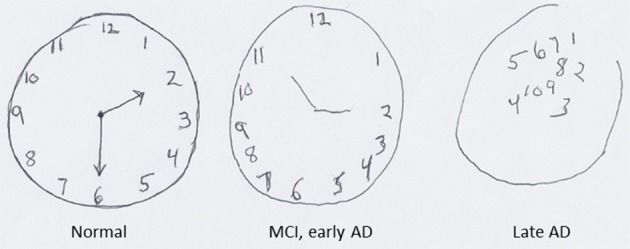
Delirium: an acute brain failure with a cause you can usually find
Delirium is an acute, fluctuating disturbance of attention and awareness caused by a physiologic insult. It is not a psychiatric diagnosis and it is not a personality problem; it is organ failure of the brain, and like any organ failure it has a cause. It occurs in roughly 20 to 30 percent of hospitalised older medical patients, in more than half of patients after hip fracture repair, and in the majority of ventilated intensive-care patients. It is associated with longer stays, higher mortality, new nursing-home placement and lasting cognitive decline — which means preventing and treating it is not a comfort measure, it is life-saving care.
The bedside tool is the Confusion Assessment Method. Delirium is present when feature 1 and feature 2 are present, plus either feature 3 or feature 4. Feature 1 is acute onset with a fluctuating course — ask the family or the previous shift whether this is different from two days ago. Feature 2 is inattention, tested by asking the patient to recite the months of the year backwards or to spell a five-letter word backwards. Feature 3 is disorganised thinking — rambling, illogical, unpredictable. Feature 4 is an altered level of consciousness — anything other than alert, whether hypervigilant, drowsy, stuporous or comatose. Inattention is the hallmark: a patient who cannot hold the thread of your sentence is delirious until proved otherwise.
Delirium has three motor subtypes. Hyperactive delirium — agitated, pulling at lines, climbing out of bed — is obvious and gets attention. Hypoactive delirium — quiet, withdrawn, sleepy, slow to answer, described in report as “pleasant, no problems” — is the most common form in older adults, is missed most of the time, and carries the worse prognosis. Mixed delirium alternates between the two, which is why a single reassuring assessment at 1400 does not rule delirium out. If you screen only the patients who bother you, you will find only the minority of cases.
Finding the cause, and treating without sedating
Delirium is a symptom, so the work is a search. The mnemonic DELIRIUM organises it: Drugs, especially anticholinergics, benzodiazepines, opioids and sedative-hypnotics; Electrolytes, particularly sodium, calcium and glucose; Lack of drugs — withdrawal from alcohol, benzodiazepines or nicotine, or untreated pain; Infection; Reduced sensory input — missing glasses and hearing aids, windowless rooms, darkness; Intracranial events including stroke, subdural haematoma and seizure; Urinary and faecal retention; and Myocardial and pulmonary causes — hypoxia, myocardial infarction, heart failure, pulmonary embolism.
Your first-pass workup is fast and mostly at the bedside: full vital signs including an accurate temperature, oxygen saturation, point-of-care glucose, a pain assessment, a medication review looking specifically at anything new or newly increased in the last 48 hours, a bladder scan for retention, and a check for impaction. Then send basic chemistry, calcium, magnesium, complete blood count, urinalysis with culture if there are urinary symptoms, and an electrocardiogram. Neuroimaging is not routine; obtain a head computed tomography scan when there are focal neurological signs, a fall or head strike, anticoagulation, or when the search comes up empty.
Treatment is cause-directed plus a non-pharmacological bundle that has been shown to prevent roughly a third of cases. Reorient at every contact, using a visible clock, calendar and whiteboard. Restore sensory input — glasses on the face, hearing aids in with working batteries, dentures in. Mobilise early and often; a patient who walks does not deteriorate the way a patient in bed does. Remove tethers: unnecessary urinary catheters, telemetry leads, continuous pulse oximetry, intravenous lines and restraints all anchor the patient to the bed and worsen delirium. Protect sleep with lights on by day, dark and quiet at night, and vital signs clustered so the patient is not woken at 0200 for a blood pressure that could wait. Treat pain adequately — undertreated pain causes far more delirium than scheduled analgesia does. Involve family; a familiar voice at the bedside is a therapeutic intervention.
Medication is a last resort, used only when agitation threatens the patient’s safety or an essential treatment, and never as a substitute for finding the cause. When it is unavoidable, low-dose haloperidol (0.25 to 0.5 mg) is the usual choice, with attention to the QT interval — hold and escalate if the corrected QT exceeds 500 ms — and to extrapyramidal effects. Haloperidol and other typical antipsychotics are avoided in Parkinson disease and Lewy body dementia, where patients can have severe, sometimes fatal, neuroleptic sensitivity; quetiapine is preferred there. All antipsychotics carry a boxed warning for increased mortality in older adults with dementia-related psychosis. Benzodiazepines cause delirium and should not be used to treat it, with one exception: alcohol or benzodiazepine withdrawal, where symptom-triggered lorazepam guided by a CIWA protocol is the correct therapy.
Dementia and depression, and the mistakes that follow confusing them
Chapter 5 covered the neurodegenerative diseases themselves. What matters here is discrimination and care. Dementia is a chronic, insidious, progressive decline in two or more cognitive domains that impairs independent function, with a normal level of consciousness and preserved attention until late in the disease. A patient with moderate Alzheimer disease can look at you, attend to your question and give you a wrong answer confidently; a delirious patient cannot hold the question in mind long enough to be wrong. Alzheimer disease begins with recent-memory loss; vascular dementia declines in steps with focal signs; Lewy body dementia brings fluctuating cognition, visual hallucinations, parkinsonism and dream enactment; frontotemporal dementia begins with personality, behaviour or language change, often before sixty-five.
Depression in the older adult is frequently missed because it presents as somatic complaint, apathy, poor concentration and memory difficulty — a picture once called pseudodementia. The distinguishing features are a subacute onset over weeks, intact attention, and a patient who is distressed by memory problems and answers “I don’t know” rather than confabulating. Screen with the fifteen-item Geriatric Depression Scale, where a score of 5 or more is a positive screen, or the PHQ-9. Then take suicide risk seriously: men aged 75 and older have the highest suicide rate of any group in the United States, most have seen a healthcare provider within the preceding month, and lethality is high because means are lethal. Ask directly and plainly. Asking does not plant the idea.
Treatment favours a selective serotonin reuptake inhibitor such as sertraline or escitalopram, started at half the usual adult dose and titrated slowly; response may take six to twelve weeks. Check serum sodium two to four weeks after starting, because SSRI-induced hyponatraemia from syndrome of inappropriate antidiuretic hormone is common in this population and presents as — predictably — confusion and falls. Avoid paroxetine (strongly anticholinergic) and tricyclic antidepressants. Remember that all three D’s coexist: delirium is superimposed on dementia in a large share of hospitalised patients, and depression is common in both. The clinical question is never which one, but what has changed acutely.
| Feature | Delirium | Dementia | Depression |
|---|---|---|---|
| Onset | Hours to days — acute | Months to years — insidious | Weeks to months — subacute |
| Course | Fluctuates, worse at night | Steadily progressive (or stepwise) | Persistent low mood, diurnal variation |
| Attention | Impaired — the hallmark | Normal until late | Poor concentration, but attention intact |
| Level of consciousness | Altered — hypervigilant or drowsy | Normal | Normal |
| Memory complaint | Unable to engage with testing | Minimises or confabulates | Distressed; answers “I don’t know” |
| Perception | Illusions and hallucinations common | Late, or early in Lewy body disease | Usually absent |
| Reversibility | Usually reversible if the cause is found | Not reversible | Highly treatable |
| First nursing action | Search for the physiologic cause | Support function, safety, routine | Screen, ask about suicide, refer |
Caring for the patient with established dementia in an acute setting is largely environmental. Keep routine, staff and room consistent. Give one instruction at a time, in short sentences, from the front, at eye level. Do not argue with or correct a false belief; redirect and validate the emotion behind it. Anticipate sundowning — late-afternoon agitation — by increasing light, reducing noise, toileting, offering a snack and planning activity before it starts rather than sedating after it does. Screen for the unmet need behind every behaviour: pain, hunger, thirst, a full bladder, constipation, cold, boredom, fear. Behaviour in dementia is communication, and the intervention is to answer what is being communicated.
Acute inattention with a fluctuating course is delirium until proved otherwise — a medical emergency requiring a search for hypoxia, hypoglycaemia, infection, retention, drugs and pain, treated first with reorientation, sensory aids, mobility and sleep rather than sedation.
Section 3Polypharmacy, Altered Pharmacology and Safer Prescribing
What the ageing body does to the drug
Absorption changes least. Gastric acid falls and transit slows, which mostly alters the rate rather than the extent of absorption — but achlorhydria genuinely impairs absorption of vitamin B12, calcium carbonate and iron, and reduced first-pass metabolism can substantially raise the bioavailability of drugs like propranolol, morphine and nitrates.
Distribution changes a great deal. Total body water falls from about 60 percent of body weight to roughly 50 percent in men and 45 percent in women, while fat mass rises. Water-soluble drugs — digoxin, gentamicin, lithium, ethanol — therefore have a smaller volume of distribution and reach higher peak concentrations from the same dose. Fat-soluble drugs — diazepam, amiodarone, most anaesthetic agents — have a larger volume of distribution and a much longer half-life, so they accumulate. Serum albumin (normal 3.5 to 5.0 g/dL) often falls with illness, leaving a larger free, active fraction of highly protein-bound drugs such as warfarin, phenytoin and naproxen — which is why a “therapeutic” phenytoin level in a patient with an albumin of 2.4 g/dL may in fact be toxic.
Metabolism slows selectively. Reduced hepatic blood flow and reduced phase I oxidation prolong the half-life of drugs cleared that way; phase II glucuronidation holds up. Excretion is the biggest single issue: falling glomerular filtration prolongs the half-life of every renally cleared drug — digoxin, most antibiotics, gabapentin, metformin, direct oral anticoagulants, morphine metabolites, allopurinol, methotrexate. Finally, pharmacodynamics change: the ageing brain is more sensitive to opioids, benzodiazepines and anticholinergics at any given concentration, while beta-receptor responsiveness to both agonists and blockers declines. The practical rule is start low and go slow — but go. Undertreated pain, untreated depression, unanticoagulated atrial fibrillation and untreated osteoporosis harm older adults just as reliably as overtreatment does.
Polypharmacy, the prescribing cascade and the Beers Criteria
Polypharmacy is usually defined as five or more regular medications, and hyperpolypharmacy as ten or more. Risk of an adverse drug event climbs steeply with each addition, and adverse drug events account for a substantial share of older-adult emergency admissions — most commonly from anticoagulants, antiplatelets, insulins, oral hypoglycaemics and opioids. The critical clinical habit is to treat every new symptom in an older adult as a possible drug effect until proved otherwise.
That habit prevents the prescribing cascade, in which an adverse effect is misread as a new disease and treated with another drug. The classic sequences are worth memorising: metoclopramide causes parkinsonism, which earns a levodopa prescription; amlodipine causes ankle oedema, which earns furosemide; a cholinesterase inhibitor causes urinary urgency, which earns oxybutynin, which causes confusion; an NSAID raises blood pressure, which earns an antihypertensive. Each cascade adds cost, interaction risk and a new set of adverse effects, and each one is undone by asking what the patient was started on shortly before the new symptom appeared.
The American Geriatrics Society Beers Criteria list medications that are potentially inappropriate in adults aged 65 and older. “Potentially inappropriate” means the risk usually exceeds the benefit and an alternative usually exists — not that the drug is forbidden. Complementary tools are the STOPP criteria (drugs to stop) and START criteria (drugs wrongly omitted, such as anticoagulation in atrial fibrillation or bisphosphonates after a fragility fracture).
| Drug or class | Why it is a problem in older adults | Safer direction |
|---|---|---|
| First-generation antihistamines (diphenhydramine, hydroxyzine) | Strongly anticholinergic; confusion, retention, falls; the hidden ingredient in “PM” sleep aids | Cetirizine or loratadine; sleep hygiene, not a pill |
| Benzodiazepines (all) | Falls, hip fracture, delirium, prolonged sedation; long-acting agents accumulate for days | Non-drug insomnia and anxiety management; taper existing use slowly |
| “Z-drugs” (zolpidem, eszopiclone, zaleplon) | Same fall and delirium profile as benzodiazepines, plus complex sleep behaviours | Sleep hygiene, daytime light and activity |
| Antipsychotics for dementia-related behaviour | Boxed warning: increased mortality and stroke; do not treat wandering or calling out | Identify and meet the unmet need driving the behaviour |
| Tricyclic antidepressants (amitriptyline, imipramine) | Anticholinergic, orthostatic, arrhythmogenic | SSRI or SNRI; duloxetine for neuropathic pain |
| Skeletal muscle relaxants (cyclobenzaprine, methocarbamol, carisoprodol) | Sedation, anticholinergic effects, falls; poorly effective at tolerated doses | Heat, physiotherapy, topical agents, scheduled acetaminophen |
| Chronic NSAIDs (ibuprofen, naproxen) | Gastrointestinal bleeding, acute kidney injury, fluid retention, heart failure and hypertension worsening | Acetaminophen up to 3 g/day as the analgesic base; topical NSAID |
| Ketorolac (oral or parenteral) | Avoid entirely, at any duration, in adults 65 and older — high rates of gastrointestinal bleeding, peptic ulceration and acute kidney injury even with a short course, and a “normal” creatinine can hide a clearance near 30 mL/min | Acetaminophen or a topical NSAID; a renally dose-adjusted opioid for severe short-term pain |
| Long-acting sulfonylureas (glyburide, chlorpropamide) | Prolonged, sometimes fatal hypoglycaemia that presents as confusion or a fall | Glipizide if a sulfonylurea is needed; relax the HbA1c target |
| Oxybutynin (immediate-release) and other bladder anticholinergics | Confusion, dry mouth, constipation, retention | Timed voiding, pelvic floor training; mirabegron if drug therapy is needed |
| Digoxin above 0.125 mg/day | Narrow therapeutic index, renally cleared, toxicity at “normal” creatinine | Lower dose, monitor level and potassium |
| Meperidine | Normeperidine accumulates in renal impairment causing tremor, myoclonus and seizures | Any other opioid, renally dose-adjusted |
| Proton pump inhibitors beyond 8 weeks without indication | C. difficile, fracture, hypomagnesaemia, B12 deficiency | Reassess indication; step down or stop |
| Nitrofurantoin with creatinine clearance under 30 mL/min | Inadequate urinary concentration plus systemic toxicity | Culture-directed alternative |
| Sliding-scale insulin as the sole regimen | Chases hyperglycaemia, produces swings and hypoglycaemia | Basal plus correction, individualised targets |
Monitoring, adherence and the nurse’s part in deprescribing
Some drugs demand active nursing surveillance in this population. Digoxin has a therapeutic range of 0.5 to 2.0 ng/mL, with a target of 0.5 to 0.9 ng/mL in heart failure. Toxicity presents as anorexia, nausea, visual halos or yellow-green colour disturbance, confusion, bradycardia and arrhythmias, and hypokalaemia potentiates it — so keep potassium between 3.5 and 5.0 mEq/L and be alert whenever a loop diuretic is added. Warfarin requires an INR of 2.0 to 3.0 for most indications and interacts with almost everything, including antibiotics and dietary change. Direct oral anticoagulants need renal dose adjustment, and the reduction rule is indication-specific: in nonvalvular atrial fibrillation apixaban is reduced to 2.5 mg twice daily when two of three criteria are met — age 80 or older, weight 60 kg or less, or serum creatinine 1.5 mg/dL or higher. Those criteria do not apply to venous thromboembolism treatment, which is 10 mg twice daily for 7 days and then 5 mg twice daily regardless of age, weight or creatinine. Metformin is contraindicated below an estimated glomerular filtration rate of 30 mL/min/1.73 m². Opioids require a scheduled bowel regimen from day one, not on request.
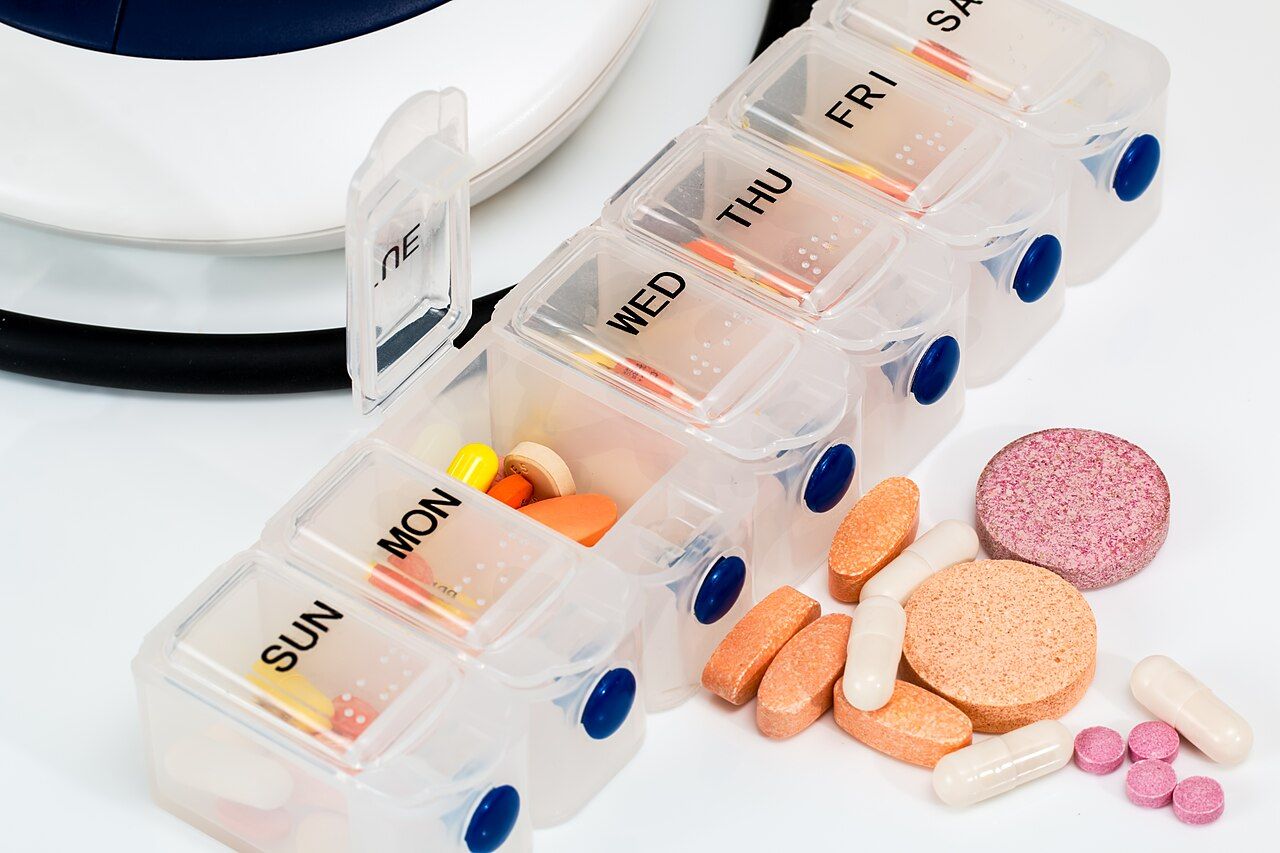
Adherence in this population is a mechanical problem as often as a motivational one. Ask to see the bottles — the “brown-bag review” — including over-the-counter products, herbals and anything belonging to a spouse. Check whether the patient can open the container, read the label, split the tablet, afford the refill, get to the pharmacy and remember the schedule. Simplify: once-daily dosing where possible, one pharmacy, a pill organiser filled weekly, alarms, and a single written schedule in large print. Ask about cost-related non-adherence directly, because patients rarely volunteer that they are splitting tablets to make a prescription last.
Deprescribing is a team activity that the nurse frequently initiates. For each drug, ask what the indication is, whether it is still present, whether the benefit will be realised within the patient’s remaining life expectancy and goals, whether a safer option exists, and whether a taper is needed. Benzodiazepines, opioids, beta-blockers, gabapentinoids, corticosteroids, proton pump inhibitors and antidepressants all require gradual tapering rather than abrupt discontinuation. The nurse’s specific contribution is the observation: you are the one who sees the patient sway on standing after the new alpha-blocker, sleep through breakfast after the new hypnotic, and stop eating after the new drug for something else.
In an older adult, treat any new symptom as an adverse drug effect until proved otherwise — this single habit prevents prescribing cascades and catches the falls, confusion, retention and hypoglycaemia that medications, not diseases, are causing.
Section 4Falls, Frailty and the Hazards of Hospitalisation
Falls: predicting them, preventing them, and what to do after one
About one in four adults aged 65 and older falls each year, and falls are the leading cause of injury-related death in that age group. The consequences run beyond the fracture: a fall generates fear of falling, which produces activity restriction, which produces deconditioning, which produces more falls. Hospitalisation is itself a fall risk factor because it combines an unfamiliar environment, new sedating drugs, tethering equipment, acute illness and a bed that is the wrong height.
The strongest single predictor of a fall is a previous fall, so ask everyone, on every admission, whether they have fallen in the past year and whether they feel unsteady or fear falling. Then assess the modifiable contributors: orthostatic hypotension, psychoactive and cardiovascular medications, vision, footwear, continence and urgency, cognitive impairment, peripheral neuropathy, pain, vitamin D status and environment. Take orthostatic vital signs properly — supine for five minutes, then repeat at one and three minutes of standing, recording symptoms as well as numbers. Use a validated risk tool such as the Morse Fall Scale or Hendrich II, and add a performance test: the Timed Up and Go asks the patient to rise from a chair, walk three metres, turn, return and sit, and a time of 12 seconds or more indicates increased fall risk.
Prevention on the unit is unglamorous and effective. Round hourly using the four P’s — pain, potty, position, possessions — because most falls happen on the way to the bathroom. Keep the bed low and locked with the call light, phone, water, glasses and assistive device in reach. Provide non-skid footwear, adequate lighting with a night light, a clear path and a raised toilet seat. Offer scheduled toileting rather than waiting for urgency. Review the medication list for anything sedating, hypotensive or anticholinergic. Ensure vitamin D repletion and refer to physiotherapy for strength and balance training, which has the best evidence of any single intervention. Bed and chair alarms have not been shown to reduce falls and are no substitute for a person.
After a fall, assess before you move the patient. Check responsiveness, airway, breathing and circulation, then take a full set of vital signs including orthostatics when it is safe, perform a neurological check, and examine for pain, deformity, and a shortened, externally rotated leg suggesting hip fracture. Establish whether the head was struck and whether the patient is anticoagulated — an anticoagulated patient who strikes the head needs imaging and observation even if they look completely well, because a subdural haematoma can declare itself hours to weeks later. Notify the provider and the family, document objectively what was found, and complete the incident report as a separate quality document that is not referenced in the medical record. Then ask why it happened, because the fall you investigate is the second one you prevent.
Immobility, sarcopenia and nutrition
Bed rest is a treatment with a dose-dependent toxicity. An older adult loses roughly one to three percent of muscle strength for every day of immobility, and the losses accelerate under acute illness. Within days you also see orthostatic intolerance, atelectasis, venous thromboembolism risk, constipation and impaction, insulin resistance, bone resorption with hypercalciuria, pressure injury and delirium. A patient admitted for pneumonia who walks twice a shift goes home; one who stays in bed for the same pneumonia goes to a skilled nursing facility. Mobility is not the physiotherapist’s job alone — it is nursing care, and it belongs on the plan every shift.
Sarcopenia — the age-related loss of muscle mass, strength and performance — is the substrate. It is worsened by immobility, protein deficiency, inflammation and untreated illness, and improved by resistance exercise plus adequate protein. Healthy older adults need about 1.0 to 1.2 g/kg/day of protein, and 1.2 to 1.5 g/kg/day during acute illness or wound healing — substantially more than the general adult recommendation, and something to advocate for when a patient is sitting in front of a clear-liquid tray for a third day.
Malnutrition is common and under-detected. Unintentional loss of 5 percent of body weight in one month or 10 percent in six months is significant. Screen with a validated tool, weigh the patient on the same scale at the same time, and record actual intake as a percentage rather than “ate well.” Be careful with laboratory shortcuts: albumin and prealbumin fall with inflammation and are markers of illness severity, not of nutritional status, in an acutely ill patient. Address the causes you can fix — ill-fitting dentures, dry mouth, dysphagia, depression, constipation, unappetising restricted diets, being fed by a rushed person, eating alone. Liberalising a diet is often the highest-yield nutrition intervention in a frail older adult.
Dehydration deserves separate attention because the older adult has both a reduced thirst drive and a reduced ability to concentrate urine. Weight is the most reliable monitor — a change of 1 kg equals roughly 1 L of fluid. Look for orthostatic hypotension, a dry axilla, longitudinal tongue furrows, urine output below 0.5 mL/kg/hr, and a BUN-to-creatinine ratio above 20:1. Skin turgor is unreliable in aged skin; if you use it, test over the sternum or forehead rather than the back of the hand. Offer fluids proactively on a schedule, because a patient who is not thirsty will not ask.
Skin, continence and the geriatric syndromes that end independence
Pressure injury risk rises with thinning subcutaneous tissue, reduced mobility, incontinence, poor nutrition and reduced sensation. Screen with the Braden Scale, which scores six subscales for a total of 6 to 23 — 18 or below indicates risk in an older adult, and 12 or below indicates high risk. Prevention is mechanical and relentless: reposition on a schedule, use a 30-degree lateral tilt rather than direct trochanteric pressure, keep the head of the bed at or below 30 degrees where clinically permitted to limit shear, float the heels off the bed entirely, use a pressure-redistributing surface, manage moisture with a barrier product, and feed the patient. Inspect the skin under every device — oxygen tubing, cervical collars, catheters, compression sleeves — because device-related injury is a large share of what occurs on med-surg floors. Handle aged skin gently: use silicone dressings rather than adhesive tape, lift rather than drag, and use a slide sheet to prevent skin tears.
Urinary incontinence is not normal ageing and should never be managed by simply applying a brief. Identify the type. Stress incontinence leaks with cough or laughter and responds to pelvic floor training. Urge incontinence is a sudden compelling need and responds to timed voiding and bladder retraining. Overflow incontinence is constant dribbling from retention — confirm with a bladder scan, where a post-void residual under 50 mL is normal and one over 200 mL is abnormal. Functional incontinence means the bladder works but the person cannot reach the toilet in time, which is a mobility, clothing, lighting or staffing problem. Avoid indwelling catheters, which cause infection, tethering, delirium and deconditioning; if one is in place, ask on every shift whether it can come out today.
Two more syndromes belong on your radar. Sensory impairment — presbycusis, the high-frequency sensorineural hearing loss of ageing, and presbyopia and cataract — masquerades as cognitive impairment and worsens delirium; the fix is glasses, working hearing aids, a pocket amplifier and good lighting. And constipation, which is so ordinary it is ignored, causes delirium, urinary retention, anorexia, abdominal pain and, in impaction, overflow diarrhoea that gets mistaken for infection. Track bowel movements deliberately and act at 48 hours rather than at five days.
| Screen or tool | What it measures | Threshold that changes your plan |
|---|---|---|
| Timed Up and Go | Functional mobility and fall risk | 12 seconds or more indicates increased fall risk |
| Orthostatic vital signs | Blood pressure response to standing | Drop of 20 mmHg systolic or 10 mmHg diastolic within 3 minutes |
| Braden Scale | Pressure injury risk (total 6–23) | 18 or below at risk; 12 or below high risk |
| Mini-Cog | Cognitive screen: three-word recall plus clock draw | Score of 0–2 out of 5 is a positive screen for impairment |
| Geriatric Depression Scale (15-item) | Depressive symptoms | 5 or more is a positive screen |
| Confusion Assessment Method | Delirium | Features 1 and 2, plus 3 or 4 |
| Post-void residual (bladder scan) | Urinary retention | Under 50 mL normal; over 200 mL abnormal |
| Katz ADL / Lawton IADL | Baseline and current function | Any new dependency is an acute finding |
Hospitalisation itself injures older adults through bed rest, tethers, sedatives and missed meals, so mobility, continence, skin, nutrition, hydration and sleep are not comfort tasks — they are the interventions that decide whether the patient goes home or to a facility.
Section 5Elder Mistreatment, Caregivers and the Safe Transition Home
Recognising elder mistreatment
Elder mistreatment affects roughly one in ten community-dwelling older adults each year, and only a small fraction of cases is ever reported. It takes six forms. Physical abuse is the infliction of injury or inappropriate restraint or drugging. Sexual abuse is non-consensual contact of any kind, including with a person who cannot consent. Psychological or emotional abuse includes threats, humiliation, isolation and controlling contact with others. Neglect is the failure of a responsible caregiver to provide food, hydration, hygiene, shelter, medication or medical care, and is the most commonly substantiated form. Abandonment is desertion by a caregiver. Financial exploitation — misuse of funds, coerced signatures, new joint accounts, unpaid bills despite adequate income — is the most common form overall and among the least reported. Self-neglect, in which a person cannot or does not maintain their own safety, health or hygiene, is the single largest category referred to Adult Protective Services in many states.
Risk rises with cognitive impairment, functional dependence, social isolation and shared living arrangements, and with a caregiver who has substance use, mental illness, or financial dependence on the older adult. The physical red flags are injuries that do not match the stated mechanism, delayed presentation, bruising in atypical locations such as the inner arms, neck, ears, or genital area, patterned or bilateral injuries, repeated emergency visits to different facilities, and malnutrition, dehydration, poor hygiene, untreated pressure injuries or medication non-adherence that has no medical explanation. The behavioural red flags are just as important: a caregiver who answers for the patient, refuses to leave the room, minimises or contradicts the patient, or is hostile toward staff; a patient who is fearful, withdrawn, watches the caregiver before answering, or apologises constantly.
Your action is defined and non-negotiable. Interview the patient alone. Create a legitimate reason to separate them — a scan, a bath, a specimen — and ask directly, calmly and without judgement: has anyone hurt you, threatened you, touched you in a way you did not want, taken your money, or failed to help you when you needed it? Do you feel safe where you live? Document objectively: the patient’s own words in quotation marks, a body map, measurements, photographs per facility policy, and the caregiver’s behaviour as observed rather than interpreted. Ensure immediate safety first — treat injuries, and do not discharge into a suspected unsafe situation. Then report. In most United States jurisdictions nurses are mandated reporters; the threshold is reasonable suspicion, not proof, and reports go to Adult Protective Services, with law enforcement for immediate danger. You do not investigate, and you do not confront the suspected abuser. A cognitively intact adult with capacity may refuse services, and you may still be required to report; the two things are separate.
Caregivers, ageism and communication that works
Most long-term care in the community is delivered unpaid by family, most often by a spouse or daughter who is herself over sixty. Caregiver strain is a clinical problem with clinical consequences: depression, worsened physical health, and a strong association with both nursing-home placement and mistreatment. Screen for it — the Modified Caregiver Strain Index and the Zarit Burden Interview take minutes — and ask the caregiver directly how they are sleeping, whether they get any time away and whether they feel they can keep doing this. Then connect them to something real: respite care, adult day programmes, home health aides, meal delivery, area agency on ageing services, support groups and social work. Teaching the caregiver a safe transfer technique is as much a nursing intervention as teaching the patient a medication.
Communication has to be adapted deliberately, and adaptation is not the same as condescension. Avoid elderspeak — the sing-song, high-pitched, diminutive-laden speech (“sweetie,” “honey,” “are we ready for our bath?”) that measurably increases resistance to care and communicates that the person is not an adult. Address patients by their title and surname unless invited otherwise, speak to the patient rather than the family member, and do not assume confusion until you have tested for it. For presbycusis, lower your pitch instead of raising your volume, face the patient in good light so lips are visible, reduce background noise, and confirm hearing aids are in and switched on. For vision, use printed material in at least 14-point sans-serif type with high contrast, avoid glare, and make sure glasses are clean and on.
Teach in small pieces. Cover one topic at a time, put the most important information first and repeat it last, use plain language rather than clinical vocabulary, and verify with teach-back: “I want to be sure I explained this clearly — tell me how you will take this new water pill when you get home.” A patient who nods and says “yes” has told you nothing. Include the caregiver with the patient’s permission, and give everything in writing to take home.
Transitions, discharge and knowing when to escalate
The transition out of hospital is where older adults are most often harmed. Medication discrepancies occur in a large proportion of transitions, follow-up frequently fails to happen, and readmission within thirty days is common. A safe discharge is built, not announced on the morning of departure. Perform a full medication reconciliation against the pre-admission list, name every drug that was started, stopped or changed and say why, and make sure the patient does not go home holding both the old bottle and a new one containing the same drug under a different name. Confirm that a follow-up appointment is scheduled before the patient leaves, and that transport, equipment, home health and prescriptions are actually arranged rather than merely recommended.
Discharge teaching should name specific warning signs and the number to call: the weight gain, the shortness of breath, the confusion, the fever, the bleeding, the new leg pain. Assess the home — stairs, bathroom, lighting, rugs, whether there is anyone there at night — and address driving, firearm access and alcohol use when the assessment raises them. Advance care planning is covered in depth in Chapter 14, but at minimum confirm whether an advance directive and a healthcare proxy exist, whether the documents are in the chart, and whether the family knows what they say.
Escalation follows the same priority logic as the rest of med-surg: airway, breathing and circulation first, then unstable before stable, then acute before chronic. Report with a complete SBAR. Situation: “This is the nurse on 4 West calling about Mrs. Alvarez in 412, an 84-year-old admitted yesterday with a hip fracture. She has become acutely confused in the last three hours.” Background: “She was alert and oriented on admission. She received oxycodone at 1400 and diphenhydramine for itching at 1600. She has not voided since 1100.” Assessment: “Temperature 37.9, heart rate 108, blood pressure 98/56, respirations 24, oxygen saturation 91 percent on room air, glucose 84. Bladder scan shows 620 mL. CAM is positive for acute onset, fluctuation and inattention.” Recommendation: “I think she has hypoxia and urinary retention with possible sepsis. I have put her on oxygen and I would like an order for in-and-out catheterisation, a chest film, blood cultures, a lactate and a basic metabolic panel, and I would like the diphenhydramine discontinued. Can you come and see her?”
Delegation in geriatric care follows the same boundary as everywhere else. Assistive personnel may take vital signs on stable patients, assist with hygiene, feeding, ambulation and toileting, apply non-skid footwear, reposition on a schedule, record intake and output, weigh the patient, and report observations to you. What may never be delegated is assessment, teaching, evaluation and any unstable patient. The aide can tell you that Mr. Beckett would not eat breakfast and seemed sleepy; only the registered nurse can decide whether that is depression, delirium, hypoglycaemia, a new opioid or an evolving sepsis — and only the registered nurse can act on it.
Interview the older adult alone whenever mistreatment is suspected and report on reasonable suspicion rather than proof, and treat discharge as a clinical procedure — reconciled medications, arranged follow-up, named red flags and teach-back — because the transition is where this population is most often harmed.
The chapter in one breath
Ageing does not remove function; it removes reserve. That is why acute illness in an older adult announces itself as confusion, a fall, incontinence or a refusal to eat rather than as chest pain, fever or classic dysuria, and why a normal serum creatinine can hide a creatinine clearance of 30 mL/min. Learn the systems that change — stiff arteries and blunted baroreceptors, weak cough and low reserve lungs, falling glomerular filtration and impaired concentrating ability, slowed phase I hepatic metabolism, blunted fever, fragile skin, sarcopenic muscle — and the presentations follow logically. Acute inattention with a fluctuating course is delirium, a medical emergency whose commonest causes are drugs, hypoxia, infection, retention, electrolytes and pain, and whose first-line treatment is reorientation, glasses and hearing aids, mobility, sleep and removal of tethers, not sedation. Treat every new symptom as a possible adverse drug effect, know the Beers list and the anticholinergic burden, and refuse to let a prescribing cascade start. Prevent falls, immobility, malnutrition, dehydration, pressure injury and catheter dependence, because hospitalisation is itself the hazard. Watch for mistreatment, interview alone, report on suspicion. Then discharge deliberately: reconciled medicines, arranged follow-up, red flags in writing and teach-back to prove it landed. Escalate by ABC, unstable over stable, acute over chronic — and keep assessment, teaching, evaluation and every unstable patient for yourself.
Words worth knowing
| Term | What it means |
|---|---|
| Homeostenosis | Age-related narrowing of physiologic reserve; baseline function is preserved but the capacity to respond to stress is lost |
| Frailty | A syndrome of reduced reserve across systems; the Fried phenotype requires 3 or more of weight loss, exhaustion, weak grip, slow gait and low activity |
| Sarcopenia | Age-related loss of muscle mass, strength and performance; worsened by bed rest and protein deficiency, improved by resistance exercise |
| Atypical presentation | Acute illness announcing itself as confusion, a fall, incontinence or anorexia rather than the classic symptom — the rule, not the exception, in this population |
| Orthostatic hypotension | Fall of 20 mmHg or more systolic, or 10 mmHg or more diastolic, within 3 minutes of standing |
| Delirium | Acute, fluctuating disturbance of attention and awareness from a physiologic cause; reversible when the cause is found |
| Hypoactive delirium | The quiet, withdrawn, drowsy subtype — the most common form in older adults, the most often missed, and the one with the worse prognosis |
| Confusion Assessment Method | Bedside delirium tool requiring acute onset with fluctuation plus inattention, and either disorganised thinking or altered consciousness |
| Sundowning | Late-afternoon and evening agitation in dementia; prevented with light, routine, toileting, food and activity rather than treated with sedation |
| Apathetic thyrotoxicosis | Hyperthyroidism in the older adult presenting as weight loss, atrial fibrillation, heart failure and withdrawal instead of agitation and heat intolerance |
| Polypharmacy | Five or more regular medications; each addition raises the risk of interaction, adverse event, falls and non-adherence |
| Prescribing cascade | An adverse drug effect misdiagnosed as a new disease and treated with another drug — for example amlodipine oedema treated with furosemide |
| Beers Criteria | American Geriatrics Society list of potentially inappropriate medications in adults aged 65 and older; risk usually exceeds benefit and an alternative exists |
| Anticholinergic burden | The additive effect of multiple anticholinergic drugs, producing dry mouth, blurred vision, constipation, urinary retention, tachycardia, confusion and falls |
| Cockcroft–Gault equation | Estimates creatinine clearance from age, weight, sex and serum creatinine; required because normal creatinine hides low clearance when muscle mass is low |
| Timed Up and Go | Rise, walk 3 metres, turn, return and sit; 12 seconds or more indicates increased fall risk |
| Braden Scale | Pressure injury risk score of 6 to 23; 18 or below indicates risk in an older adult, 12 or below high risk |
| Presbycusis | Age-related high-frequency sensorineural hearing loss; lower your pitch rather than raising your volume |
| Elder mistreatment | Physical, sexual or psychological abuse, neglect, abandonment or financial exploitation of an older adult; reportable on reasonable suspicion |
| Capacity versus competence | Capacity is a clinical, decision-specific judgement of understanding, appreciation, reasoning and communication; competence is a global legal status set by a court |