Mental Health, Mental Illness and Stigma
Every nurse is a mental health nurse. The person admitted for a fractured hip may also be in alcohol withdrawal; the woman in the emergency department with chest pain may have a panic disorder, a cardiac lesion, or both; the man who will not look at you may be frightened rather than hostile. This chapter builds the foundation the rest of the book stands on: what mental health actually is, how illness is defined and by whom, how common these conditions are, and why stigma — the beliefs people hold, the words we choose, the systems we build — is not a soft topic but a measurable driver of delayed care, missed physical diagnoses and shortened lives. You will learn the language of person-first, trauma-informed practice, the difference between describing a behaviour and labelling a person, and the first safety skills of the specialty: what a red flag looks like and how to escalate it so somebody acts.
By the end of this chapter you can
- Distinguish mental health, mental distress and mental illness using the dual-continuum model, and explain why the absence of diagnosis is not the same as wellness.
- Summarise the epidemiology of mental illness in adults and adolescents, including age of onset, the treatment gap and the mortality gap.
- Differentiate a psychiatric medical diagnosis (DSM-5-TR / ICD-11) from the nursing focus on the human response, and describe the role of culture in how distress is expressed.
- Classify stigma as public, self-stigma, structural or courtesy stigma, and give a clinical consequence of each, including diagnostic overshadowing.
- Rewrite stigmatising clinical language into person-first, behaviourally descriptive documentation, and state why “died by suicide” replaces “committed suicide.”
- Explain the recovery model and the four assumptions and six principles of trauma-informed care, and identify practices that risk re-traumatisation.
- Select therapeutic responses over non-therapeutic ones in a written exchange, and justify each choice using the concepts of therapeutic use of self, boundaries and countertransference.
- Apply the five rights of delegation to the therapeutic milieu, stating what assistive personnel may and may not do on a behavioural health unit.
- Recognise chapter-level red flags and escalate them using a structured SBAR report.
Section 1The continuum: mental health, mental illness and what sits between
Mental health is not the absence of mental illness
The World Health Organization describes mental health as a state of well-being in which a person realises their own abilities, copes with the ordinary stresses of life, works productively, and contributes to their community. Read that definition slowly and notice what it is not: it is not “has no diagnosis.” It is a positive capacity — to feel, to relate, to adapt, to recover — and like blood pressure or gait, it varies across a lifetime and across a single week.
The most useful teaching model is the dual continuum. One axis runs from flourishing to languishing; the other runs from no illness to serious illness. Because the axes are separate, four situations exist. A person with a well-managed bipolar I disorder who takes lithium, sleeps regularly, works and is loved is flourishing with an illness. A person with no diagnosis at all who is isolated, joyless and drifting is languishing without one. Students who collapse the two axes into one line make two clinical errors: they assume treatment success means symptom silence, and they miss the undiagnosed person who is quietly disappearing.
Between health and illness lies mental distress — grief, adjustment to a diagnosis, the anxiety of a first deployment or a first semester. Distress is a normal response to abnormal circumstances and usually needs presence, sleep, food, structure and time rather than a prescription. The judgement you are being trained to make is when distress crosses into disorder, and the crossing is defined by three things: duration, functional impairment, and departure from what the person’s own culture would expect in that situation.
How common, how young, how costly
Roughly one in five adults experiences a diagnosable mental disorder in any given year, and close to half will meet criteria for one at some point in life. These are not rare conditions encountered only on a locked unit; they are among the most common conditions you will meet anywhere in nursing, more common than diabetes, and frequently sitting alongside it.
They also start early. About half of all lifetime mental disorders begin by age fourteen and three-quarters by the mid-twenties, which is why school nurses, paediatric nurses and college health services are frontline psychiatric care whether or not they call themselves that. Onset in adolescence collides with education, first employment and identity formation, so early intervention buys back years of function rather than merely reducing a symptom score.
Two gaps define the specialty. The treatment gap is the distance between people who have a disorder and people who receive adequate care — more than half receive none in a given year, and among those who eventually seek help, delays of years between symptom onset and first contact are typical. The mortality gap is starker: people with serious mental illness die on average ten to twenty years earlier than the general population, and the leading causes are not suicide but cardiovascular disease, respiratory disease, diabetes and cancer — conditions of smoking, metabolic side effects of medication, poverty, and health care that stopped looking at the body once it read the chart. Both gaps are downstream of stigma, which is why Section 2 is a clinical topic and not an ethics footnote.
Risk, protection and resilience
No single cause explains mental illness. The working model is biopsychosocial: genetic and neurodevelopmental vulnerability loaded onto psychological patterns of coping and appraisal, expressed or suppressed by a social environment. A useful shorthand is the stress-vulnerability model — each person carries a threshold, and whether it is crossed depends on stressors and on the buffers available.
Adverse childhood experiences (ACEs) — abuse, neglect, household substance use, incarceration of a caregiver, domestic violence — show a dose-response relationship with later depression, substance use disorder, suicide attempts, and with physical outcomes including ischaemic heart disease and chronic obstructive pulmonary disease. Social determinants matter just as much: housing instability, food insecurity, discrimination, isolation and unemployment are not background details in your assessment, they are modifiable risk factors.
Resilience is the capacity to adapt and recover, and it is learnable rather than innate. Protective factors accumulate: one reliable adult in childhood, a sense of belonging, employment, spiritual or cultural community, sleep, treatment adherence, and a person who will answer the phone at two in the morning. When you build a plan of care, you are frequently adding protective factors rather than subtracting symptoms.
| Level | Risk factors | Protective factors |
|---|---|---|
| Biological | Family history, prenatal exposure, traumatic brain injury, chronic pain, thyroid and other medical disease, substance use | Physical health, sleep, nutrition, treated medical illness, medication adherence |
| Psychological | Trauma history, low self-efficacy, rumination, poor emotion regulation, prior suicide attempt | Coping skills, problem-solving ability, help-seeking, insight, sense of purpose |
| Social | Isolation, poverty, housing instability, discrimination, family conflict, bullying, loss | Connectedness, stable housing and income, school or work engagement, faith or cultural community |
| Systemic | Care deserts, uninsurance, criminalisation of illness, restricted access to lethal-means counselling | Accessible services, peer support, crisis lines such as 988, integrated primary and behavioural care |
What a diagnosis is — and what nursing adds
In the United States, psychiatric diagnosis is made using the Diagnostic and Statistical Manual of Mental Disorders, Fifth Edition, Text Revision (DSM-5-TR); internationally, the ICD-11 serves the same function and drives billing codes. These manuals are consensus documents describing clusters of signs and symptoms with thresholds for duration and impairment. They are useful, revisable and imperfect. They do not measure a blood level, they do not explain a person, and their categories have shifted with evidence and with social change.
Nursing works one layer over. The medical diagnosis names the disorder; nursing names the human response to it — the hopelessness, the disrupted sleep, the impaired role performance, the risk for self-directed violence — because those responses are what nursing intervenes on. Two people carrying the identical DSM label will have entirely different nursing plans of care. Whenever an examination question asks what the nurse should address first, it is usually asking about a response, not a category.
Culture shapes how distress is expressed, named and tolerated. Somatic presentations — headache, fatigue, abdominal pain, “my nerves” — are a common idiom of distress in many communities and are no less real than tearfulness. Explanatory models differ: a person may understand their experience as spiritual, moral or ancestral rather than medical. Ask what the person calls the problem, what they believe caused it, and what they think should help; DSM-5-TR provides a Cultural Formulation Interview for exactly this. What is pathological in one context may be sanctioned in another, and a nurse who cannot tell the difference will over-diagnose the unfamiliar.
Mental health and mental illness are separate continua, illness is common and starts young, and nursing’s contribution is the human response — not the label.
Section 2Stigma: the second illness
The anatomy of stigma
Stigma is not simply rudeness. It is a social process with predictable parts: a label is applied, the label is linked to a negative stereotype, the stereotype is endorsed as a belief — that is prejudice — and prejudice produces behaviour, which is discrimination. Understanding the chain matters because interventions target different links. Facts alone attack the stereotype; contact with a real person attacks the prejudice, which is why contact-based education outperforms information campaigns.
Four forms recur clinically. Public stigma is what the community believes about people with mental illness. Self-stigma, or internalised stigma, is what happens when a person absorbs those beliefs and applies them inward, producing shame, secrecy and the “why try?” effect — if I am what they say I am, applying for that job or that apartment is pointless. Structural stigma lives in systems rather than heads: insurance parity that exists on paper but not in networks, behavioural units with fewer resources than surgical ones, a person who waits three days in an emergency-department corridor for a psychiatric bed. Courtesy stigma, sometimes called associative stigma, is carried by families, and yes, by psychiatric nurses, who are asked with a straight face whether they got tired of “real” nursing.
A fifth pattern is label avoidance: people decline care specifically to avoid acquiring the label. This is often the single largest driver of the treatment gap. When a nursing student says “I would never tell my program if I were struggling,” that student is describing label avoidance in the profession itself.
What stigma costs, in measurable outcomes
Stigma delays care by years, and untreated psychosis in particular has a duration that predicts outcome — longer duration of untreated psychosis correlates with poorer recovery. It suppresses disclosure, so medication lists are incomplete and interactions get missed. It shrinks the social network at the exact moment social support is protective.
Inside the hospital its most dangerous form is diagnostic overshadowing: attributing new physical symptoms to a known psychiatric diagnosis and stopping the workup there. The person with schizophrenia whose abdominal pain is charted as somatic and who is later found to have a perforated viscus. The person with a panic disorder whose crushing substernal pain is treated with reassurance rather than an electrocardiogram. The person with an intellectual disability whose new agitation is called behavioural when it is a urinary tract infection or faecal impaction. Overshadowing contributes directly to the mortality gap described in Section 1, and the nurses who do it are well-meaning people under time pressure, not villains.
Stigma also shapes access to housing, employment, custody and firearms policy, and it makes people less likely to report crimes committed against them because they anticipate not being believed. Every one of these is a nursing concern, because every one of them is a modifiable determinant of the outcome you are documenting.
The violence myth — correct it out loud
Media coverage and entertainment have taught the public that mental illness predicts violence. The evidence says otherwise. People with mental illness are far more likely to be the victims of violence than the perpetrators of it — by wide margins across studies of assault, sexual violence and robbery. The proportion of societal violence attributable to serious mental illness alone is small, in the range of a few percent. The strongest predictors of future violence are the same for everyone: a history of violence, active substance use, and access to lethal means, with acute untreated psychotic symptoms and command hallucinations adding risk in a minority of situations.
Say this plainly to families, students and colleagues, because the myth has consequences. It licenses coercion, it justifies restraint reached for early, it drives police-first responses to health crises, and it teaches people that disclosing their diagnosis is dangerous. Correcting it is not political sensitivity; it is accurate risk communication. Mental illness is not a character flaw, not a failure of will, and not a reason to expect harm from the person in front of you.
Words are interventions
Language is the part of stigma a nurse controls completely and immediately. Person-first language puts the human before the condition, because a diagnosis is something a person has, not something a person is. The exception worth knowing is that some communities — parts of the autistic and Deaf communities in particular — prefer identity-first language; the rule underneath both is to use the words the person uses about themselves.
Three habits do the most damage. First, disease-as-identity: “the schizophrenic in 12,” “a borderline,” “an addict.” Second, moral vocabulary imported into clinical notes: “clean” and “dirty” toxicology screens, “abuser,” “failed” treatment. Third — and this one costs patients the most — interpretive labels written as if they were assessment findings: manipulative, attention-seeking, difficult, non-compliant, drug-seeking. None of those is observable. They are a nurse’s inference about motive, and once written they travel through the chart and change how every subsequent clinician listens. Describe the behaviour, describe its context, and describe what it may be communicating.
“Committed suicide” deserves its own line. The verb comes from an era when suicide was a crime and a sin — one commits a felony, one commits adultery. Say died by suicide, or ended their own life. For attempts, say attempted suicide or suicide attempt, not “successful” or “failed,” and not “gesture,” which implies performance and has preceded many deaths.
| Do not say | Say instead | Why it matters |
|---|---|---|
| A schizophrenic; a bipolar; a borderline | A person with schizophrenia; a person living with bipolar disorder | The diagnosis becomes the whole identity and follows the person through every handoff. |
| An addict; a substance abuser; a junkie | A person with a substance use disorder; a person who uses drugs | Studies show clinicians recommend more punitive responses when the word “abuser” is used. |
| Clean / dirty urine | Negative / positive toxicology screen | Moral framing of a laboratory result invites moral treatment of a medical condition. |
| Committed suicide; successful suicide | Died by suicide; ended their own life | Removes criminal and moral connotation and reduces harm to bereaved families. |
| We had him committed; he was committed | He was admitted involuntarily; he is here under an emergency hold | “Commit” frames a legal safeguard as a punishment and hides which statute applies and which rights the person keeps. |
| Non-compliant | Has not been taking the medication; describe barriers identified | Names the behaviour and prompts the actual question — cost, side effects, beliefs, access. |
| Manipulative; attention-seeking | Requested to speak with a nurse six times this shift; requests escalated in volume when the unit became busy | Observable, reproducible, and points to an unmet need rather than a character verdict. |
| Drug-seeking | Reports pain 8 of 10 and requests opioid medication; describe assessment findings and plan | Prevents undertreatment of genuine pain in people with substance use disorders. |
| Denies / refuses (as an accusation) | Declined; states they do not wish to | Preserves the person’s right to make decisions without implying obstruction. |
| Suffers from; victim of; afflicted by | Lives with; has a diagnosis of | Avoids assigning a permanent tragic identity to a treatable condition. |
Stigma is a clinical variable — it delays care, hides diagnoses and shortens lives — and the nurse’s most immediate intervention against it is the language written in the chart.
Section 3From asylum to recovery: how this care got here
A short and honest history
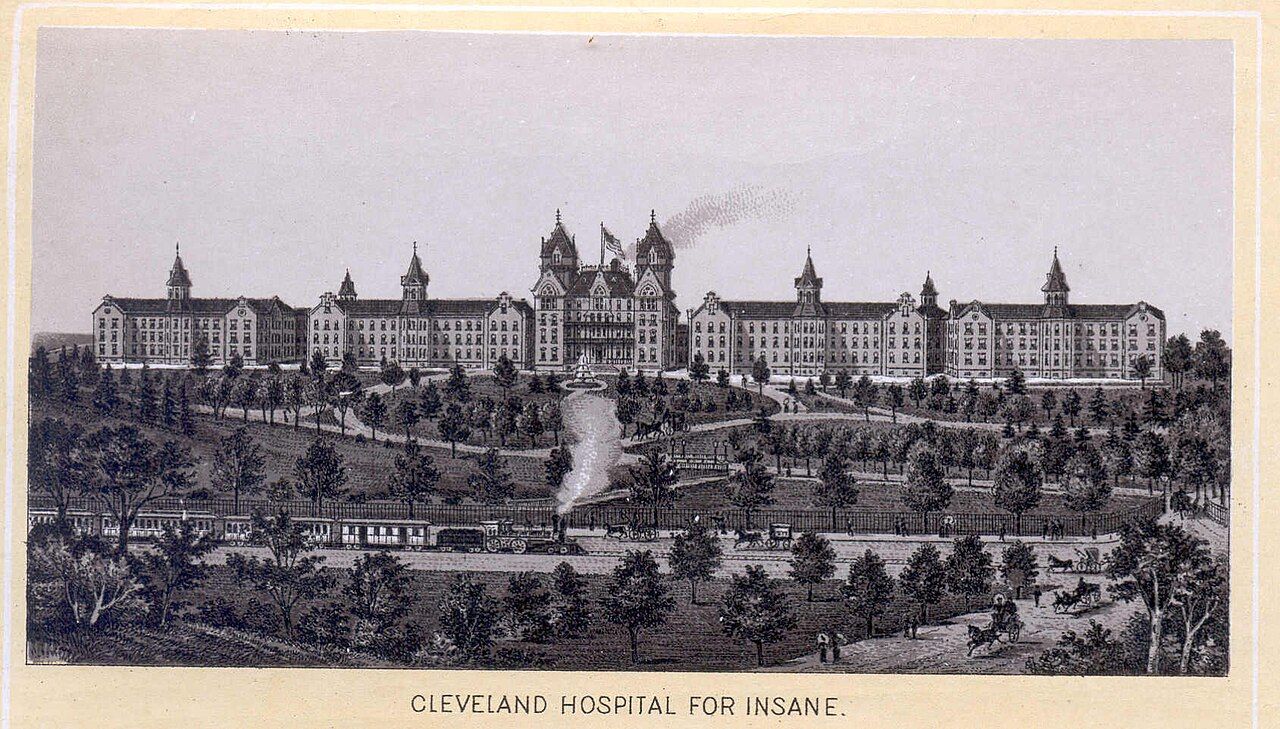
For most of recorded history, madness was explained morally or supernaturally and managed by confinement. The reform era in the late eighteenth and early nineteenth centuries introduced moral treatment — Pinel in Paris, the Tuke family in York — built on the radical proposal that people improve with kindness, routine, work and daylight. In the United States, Dorothea Dix campaigned state by state for public asylums to rescue people with mental illness from jails and almshouses. She succeeded, and within decades the asylums she won were overcrowded, understaffed and custodial.
The first half of the twentieth century produced treatments that ranged from useful to catastrophic: insulin coma, malaria fever therapy, prefrontal lobotomy performed by the tens of thousands, and forced sterilisation of people labelled “defective” under eugenics laws that survived into living memory. Modern nursing students should know this history, not for shame, but because every one of those practices was defended in its day as evidence-based and compassionate. That is why we now build in consent, review, and the least restrictive alternative.
The pivot came in 1952 with chlorpromazine, the first antipsychotic, which made discharge conceivable for people who had been institutionalised for decades. The 1963 Community Mental Health Act promised a national network of community centres to receive them. Deinstitutionalisation followed — the state hospital census fell by more than ninety percent — but the community centres were never fully funded. The result was transinstitutionalisation: large numbers of people with serious mental illness moved not into supported community life but into jails, prisons, nursing homes, emergency-department hallways and homelessness. Today the largest de facto psychiatric facilities in the country are county jails. The lesson for practice is precise: discharging a person is not the same as connecting a person, and your discharge planning is a clinical intervention with mortality implications.
The recovery model
The modern organising philosophy is recovery, defined by SAMHSA as a process of change through which people improve their health and wellness, live self-directed lives, and strive to reach their full potential. Note what the definition does not require: the absence of symptoms. Recovery is not cure. A person can be in recovery while hearing voices, as long as they have hope, meaning, relationships and control over their own life.
The framework often taught as CHIME names the ingredients: Connectedness, Hope and optimism, Identity, Meaning and purpose, and Empowerment. Practically, recovery-oriented care means shared decision-making rather than instruction, working from the person’s own stated goals (a job, a driver’s licence, seeing their children) rather than only from the treatment plan’s goals, advance directives written while well, and peer support specialists — people with lived experience employed as clinicians’ colleagues, whose presence is itself an argument against hopelessness.
Recovery language changes how you speak in report. “He has no insight” becomes “He and the team currently understand his experience differently; here is what he says he wants.” It is not softer, it is more accurate, and it keeps a working alliance alive long enough to be useful.
Trauma-informed care
Trauma is common in the populations we serve — often the majority of people on an inpatient behavioural unit report significant trauma histories — and it is frequently undisclosed. Trauma-informed care therefore works on universal precautions logic: assume a trauma history may be present in anyone, and design care so that it does not re-injure. SAMHSA frames it as four assumptions, the four Rs: realise the widespread impact of trauma, recognise its signs, respond by integrating that knowledge into practice, and actively resist re-traumatisation.
The central reframe is the question. Instead of asking, silently or aloud, “What is wrong with this person?” ask “What happened to this person?” Hypervigilance, flat refusal of a procedure, a startle response to a hand on the shoulder, or explosive anger at being told to wait are all coherent once you know that the body learned them somewhere. Trauma-informed care is not a specialty technique; it is a stance that also improves obstetric, emergency, paediatric and long-term care.
Re-traumatising practices are ordinary hospital practices done thoughtlessly: physical restraint, seclusion, forced medication, undressing a person for a search without explanation or privacy, a male staff member alone with a woman who asked for a female nurse, waking someone by touch, being talked about in the third person while present, or being told to calm down. None of these can always be avoided, but every one of them can be explained, offered with choice where choice exists, and debriefed afterwards.
| Principle | What it looks like at the bedside |
|---|---|
| Safety | Physical and emotional safety: predictable routines, sightlines, privacy during searches, no unexplained touch, doors and exits explained on admission. |
| Trustworthiness and transparency | Say what you are going to do before you do it, say when you will be back, and come back. Explain why a rule exists rather than citing policy. |
| Peer support | Peer specialists and mutual-help groups built into the programme, not offered as an afterthought. |
| Collaboration and mutuality | Plan care with the person, not for them; treatment plans use their words and their goals; power differences are named out loud. |
| Empowerment, voice and choice | Offer real choices even when small — which arm, which medication first, which room, when to talk. Choice is the antidote to helplessness. |
| Cultural, historical and gender issues | Address bias, honour language preferences and gender of caregiver requests, and recognise historical harms done by health systems to specific communities. |
The field’s history is a warning about confident coercion; recovery-oriented, trauma-informed practice replaces “what is wrong with you” with “what happened to you and what do you want.”
Section 4The nurse in the room: therapeutic use of self, milieu and delegation
Therapeutic use of self
Hildegard Peplau reframed nursing as an interpersonal process in which the relationship itself is the instrument. The nurse’s presence, tone, consistency and self-awareness are the equipment — this is therapeutic use of self. It has three phases. Orientation: introductions, establishing why you are here, setting the frame including confidentiality and its limits. Working: the substantive phase, where problems are identified and behaviours change, and where resistance and testing normally appear. Termination: planned, named in advance, and grieved rather than avoided — ending a relationship abruptly repeats a pattern many patients already know too well.
A therapeutic relationship differs from a social one in four respects: it is purposeful, time-limited, focused on the patient’s needs rather than mutual needs, and governed by boundaries. Boundary drift is rarely dramatic at first — extended time with a favourite patient, a personal disclosure that meets the nurse’s need for connection, a small gift accepted, contact on social media, keeping a secret from the team. Each of those is a signal to bring the situation to supervision rather than a reason for shame.
Transference is the patient responding to you as if you were someone from their past; countertransference is the same phenomenon running in the nurse. Countertransference is the honest explanation behind most of the word “difficult.” When you notice irritation, rescue fantasies, dread before a room, or a wish to be the one nurse who finally reaches this person, you have found data about yourself, not a finding about the patient. Self-awareness — through supervision, reflective practice and debriefing — is a competency in this specialty, not a personality trait.
Talking so it helps
Therapeutic communication is a set of learnable moves: open-ended questions, reflection, clarification, silence, offering self, and validating. Non-therapeutic moves are also predictable, and they nearly always come from the nurse’s own discomfort — false reassurance to stop the pain of hearing distress, advice to fill an unbearable silence, changing the subject to escape a topic. Read the exchanges below in pairs and, for each, name what the response does to the conversation.
| Patient says | Non-therapeutic response | Therapeutic response | Why it lands differently |
|---|---|---|---|
| “I don’t think I can do this anymore.” | “Don’t say that — you have so much to live for.” | “When you say you can’t do this anymore, are you having thoughts of killing yourself?” | Reassurance closes the door and teaches the person not to say it again. The direct question keeps it open and is the assessment the sentence demands. |
| “Why do I even bother? Nothing helps.” | “That’s not true, the medication is working well.” | “It sounds exhausting to keep trying when it doesn’t feel like anything changes. What has felt most useless?” | Arguing with hopelessness makes the person defend it. Reflecting the feeling invites detail you can actually work with. |
| “I cut myself last night.” | “Why would you do something like that to yourself?” | “Thank you for telling me. Can you walk me through what was happening just before?” | “Why” demands a justification and produces defensiveness; a sequence question produces the antecedent, which is where the intervention lives. |
| “The voices are telling me the staff are poisoning the food.” | “There are no voices, and nobody here would ever do that.” | “I don’t hear those voices, and I believe that you do. That must be frightening. Are they telling you to do anything?” | Neither argue with nor endorse the belief. Name your reality, validate the emotion, and screen for command hallucinations. |
| “My mother died and I feel nothing.” | “At least she isn’t in pain anymore.” | “Feeling nothing can be its own kind of terrible. Tell me about her.” | “At least” is a minimising phrase that ends the topic; an invitation keeps the person talking about what matters. |
| “Are you married? Do you have kids?” | Detailed personal disclosure, or a cold “We don’t discuss that.” | “I keep my personal life out of this so our time stays about you — I’m curious what made you think of families today.” | Holds the boundary without rejecting the person, and treats the question as clinical material. |
| “Promise you won’t tell anyone what I’m about to say.” | “Of course, this stays between us.” | “I can’t promise that. If it’s about your safety or someone else’s, I have to share it with the team — and I’ll tell you when I do.” | Secret-keeping splits the team and cannot be honoured; honest limits build more trust than false ones. |
| Silence, tears, no words for a full minute. | “So anyway, did you eat breakfast?” | Remain seated, quiet, present; then “Take your time. I’m not going anywhere.” | Silence is a therapeutic technique. Filling it serves the nurse’s discomfort, not the patient’s process. |
The milieu is the medicine
The therapeutic milieu is the deliberate use of the environment — people, routine, space and rules — as treatment. It rests on structure (predictable schedules, groups, meals, sleep), safety (environmental and interpersonal), containment (limits that hold when a person cannot yet hold themselves), support, and involvement. Community meetings, unit norms set with patient input, and consistent responses from every staff member are what make a unit therapeutic rather than merely locked.
Environmental safety on a behavioural unit is concrete and is everyone’s job: ligature-resistant fixtures, tamper-resistant hardware, breakaway curtain rails, no cords or belts or shoelaces where risk is identified, sharps and personal item searches performed with explanation and dignity, clear sightlines from the nursing station, contraband checks after visits and passes, and a count of anything sharp that leaves and returns. A tidy, calm, well-lit unit with predictable rhythms measurably reduces aggression — environment is intervention.
Restraint and seclusion sit at the far edge of that environment, and they are treatment failures that are occasionally unavoidable: they carry real mortality from asphyxia, aspiration, thrombosis and cardiac events, as well as reliable psychological harm. The sequence is fixed: verbal de-escalation first — lower stimulation, more space, calm short sentences, offered choices — then voluntarily accepted medication, and only if there is an immediate risk of physical harm, the least restrictive effective intervention for the shortest possible time. The legal requirements that govern that decision are set out in Chapter 3.
Delegation on a behavioural unit
Delegation follows the five rights: the right task, the right circumstance, the right person, the right direction and communication, and the right supervision and evaluation. In psychiatric nursing the recurring examination principle is that assessment, teaching, evaluation and clinical judgement never transfer — and that includes the parts that look like just sitting with someone.
| Assistive personnel MAY | Assistive personnel MAY NOT |
|---|---|
| Perform continuous 1:1 or line-of-sight observation after specific training and clear instruction, and report what they see | Decide to start, pause, downgrade or discontinue an observation level, or leave the person to answer a phone |
| Obtain vital signs, weights, intake and output, blood glucose, and report values | Interpret those values or decide what they mean for the plan of care |
| Assist with hygiene, meals, ambulation and activities of daily living; escort to groups | Perform the mental status examination, screen for suicide risk, or take a history |
| Reinforce previously taught coping strategies and unit routines | Provide initial patient teaching about diagnosis, medication or side effects |
| Observe and report statements, behaviour changes, refusal to eat, or an item found in a room | Evaluate whether a change in behaviour is clinically significant or triage it |
| Assist in a restraint application as a trained team member under RN direction | Initiate restraint or seclusion, or perform the required post-restraint assessments |
| Sit with a person during a search for contraband and provide privacy | Judge whether an item is a ligature or lethal-means risk, or return confiscated property |
The relationship and the environment are the treatment; restraint is a genuine last resort reached only after de-escalation has failed, never for convenience; and while tasks can be delegated to assistive personnel, assessment, teaching, evaluation and the decision to change an observation level never are.
Section 5Red flags, first-shift screening and escalating with SBAR
Ask directly, and ask early
Some of what you hear on a first shift calls for a direct question rather than reassurance. When a person says they cannot go on, ask in plain words — “Are you having thoughts of killing yourself?” — and not “You’re not thinking of doing anything silly, are you?”, which tells the person exactly which answer you want. If the answer is yes, keep going: thoughts, plan, means, access to those means, timing, intent, and what has stopped them so far. Chapter 4 covers structured risk screening and Chapter 13 develops suicide assessment, safety planning and crisis response in full.
Screen for the other domains on the same first pass: thoughts of harming others and any identified target; alcohol and sedative use with last drink and prior withdrawal seizures; opioid and stimulant use; current medications, including what was stopped and when; and, always, a medical differential. New psychiatric symptoms are a medical emergency until proven otherwise — hypoglycaemia, hypoxia, infection, head injury, thyroid disease, electrolyte derangement, intoxication and withdrawal all present as agitation, psychosis or catatonia. Delirium is the great imitator, and it kills.
The red flags of Chapter 1
| Red flag | Why it matters | First nursing action |
|---|---|---|
| Any statement of intent to die, with a plan and access to means | Plan plus means plus intent is the highest-acuity presentation in the specialty | Do not leave the person alone; initiate continuous observation, remove means, notify the provider immediately |
| Sudden calm or cheerfulness after profound depression; giving away possessions or putting affairs in order | May reflect relief after deciding on a plan; returning energy can also run ahead of any lift in mood, so a person becomes able to act before they feel any better | Reassess suicidal ideation directly; increase observation; report the change, do not celebrate it |
| New confusion, disorientation or fluctuating attention — especially in an older adult | Delirium from infection, hypoxia, drugs, metabolic cause; mortality is high and it is reversible | Vital signs including oxygen saturation and glucose, full physical review, urgent provider notification |
| Command hallucinations to harm self or others | Substantially raises acute risk compared with other hallucinations | Ask what the voices say and whether the person intends to follow them; safety plan and escalate |
| Escalating agitation: pacing, clenched fists, rising volume, invading space | The prodrome of aggression, where de-escalation still works | Reduce stimuli, increase space, offer choices, call for team presence — de-escalate long before restraint |
| Tremor, tachycardia, diaphoresis and hypertension 6–24 hours after the last drink | Alcohol withdrawal can progress to withdrawal seizures at 12–48 hours and to delirium tremens at 48–72 hours, which is potentially fatal | Institute withdrawal scoring such as CIWA-Ar, vital signs, seizure precautions, notify provider — benzodiazepines are the treatment, and this is one withdrawal you do not manage by waiting |
| Fever with muscle rigidity and altered mental status in a person taking antipsychotics | Possible neuroleptic malignant syndrome: onset over days, generalised “lead-pipe” rigidity with normal or reduced reflexes. Do not confuse it with serotonin syndrome, which begins within hours of starting or increasing a serotonergic drug and shows clonus, hyperreflexia, tremor and agitation, greater in the legs than the arms | Hold the suspected drug — the antipsychotic, or the serotonergic agent — take full vital signs including temperature, and escalate immediately; both are medical emergencies |
| Refusal of all food and fluid, or abrupt cessation of medication | Risk of dehydration, relapse and withdrawal; may signal hopelessness or delusional belief | Quantify intake, assess the reason without confrontation, report |
| Disclosure of abuse, neglect or exploitation | Mandatory reporting duties and immediate safety implications | Ensure safety, document the person’s own words, follow reporting policy, inform the person what happens next |
Escalating so that somebody acts
Concern that is not communicated clearly is concern that gets deferred. SBAR — Situation, Background, Assessment, Recommendation — forces the structure that urgency erodes. The Recommendation line is the one students omit and the one that produces action: say what you want and when you want it.
Worked example. Situation: “Dr. Nolan, this is Priya, RN on 4 West. I’m calling about Mr. Ellis in room 12. In the last thirty minutes he told me he has thoughts of killing himself and has been saving his lorazepam tablets.” Background: “He is a 54-year-old man admitted two days ago with major depressive disorder, single prior attempt eight years ago, lives alone, wife died in March. Sertraline started on admission.” Assessment: “He has a plan, has means — I found nine tablets in his sock drawer — and rates his intent as strong. Vital signs stable, no intoxication, alert and oriented. He is now on continuous observation and the tablets have been secured.” Recommendation: “I need you to see him within the hour to reassess risk and review his observation level, and I’d like an order for a mouth check with every dose. Can you come now, and is there anything you want done before you arrive?”
Notice the sequence. The nurse acted first — observation started, means secured — then reported. Notice also that the report contains no interpretation of motive, no “he is being manipulative,” no “he is just seeking attention.” It contains what was said, what was found, what was done and what is needed. That is the whole discipline of this chapter compressed into a phone call.
Ask about suicide directly and screen for a medical cause first, act to make the person safe before you pick up the phone, and escalate with SBAR that ends in a specific request with a timeframe.
The chapter in one breath
Mental health is a positive capacity that varies over time, not the absence of a diagnosis, and the dual-continuum model lets you hold both realities at once: a person can flourish with schizophrenia and languish with no diagnosis at all. Mental illness is common, begins young, is under-treated by years, and shortens life by a decade or more — mostly through physical disease that gets missed. Stigma is the engine behind those gaps. It runs as public belief, internalised shame, structural underfunding and courtesy stigma toward families and staff, and it produces diagnostic overshadowing at the bedside. People with mental illness are far more likely to be victims of violence than perpetrators, and saying so is accurate risk communication. The nurse’s controllable intervention is language: person-first, behaviourally descriptive, free of moral vocabulary and of motive-labels such as manipulative or non-compliant, and always “died by suicide.” History warns against confident coercion, so modern practice is recovery-oriented and trauma-informed, asking what happened rather than what is wrong. The relationship and the milieu are the treatment, and restraint is a last resort reached only after de-escalation has failed; tasks delegate, assessment never does; and every red flag ends in a direct question, an immediate safety action, and an SBAR that requests something specific.
Words worth knowing
| Term | What it means |
|---|---|
| Dual-continuum model | Framework treating mental health and mental illness as two separate axes, so wellness and diagnosis can coexist in any combination. |
| Mental distress | A proportionate, usually time-limited response to a stressor; becomes disorder when duration, impairment and cultural expectation are exceeded. |
| Treatment gap | The difference between the number of people with a disorder and the number receiving adequate care. |
| Mortality gap | The ten to twenty years of life lost, on average, by people with serious mental illness, driven mainly by preventable physical disease. |
| Stress-vulnerability model | Explanation of onset as inherited or acquired vulnerability crossed by stressors and modified by protective factors. |
| Adverse childhood experiences (ACEs) | Household and interpersonal traumas before age eighteen showing a dose-response link to later mental and physical illness. |
| DSM-5-TR | The current American diagnostic manual: consensus criteria for psychiatric disorders, based on symptom clusters, duration and impairment. |
| Human response | The focus of nursing diagnosis — how this person is responding to illness or life event, which is what nursing intervenes upon. |
| Public stigma | Stereotypes, prejudice and discrimination held by the community toward people with mental illness. |
| Self-stigma | Internalisation of public stigma, producing shame, secrecy and the “why try” effect. |
| Structural stigma | Stigma embedded in policy and institutions: unequal funding, network inadequacy, psychiatric boarding. |
| Courtesy stigma | Stigma extended to families, caregivers and mental health staff by association. |
| Diagnostic overshadowing | Attributing new physical symptoms to an existing psychiatric diagnosis and prematurely stopping the workup. |
| Person-first language | Naming the person before the condition, except where a community prefers identity-first terms. |
| Deinstitutionalisation | The mid-twentieth-century shift out of state hospitals which, without funded community care, produced transinstitutionalisation into jails, nursing homes and homelessness. |
| Recovery model | Self-directed process of improving health, wellness and purpose; measured by hope, connection and meaning rather than symptom absence. |
| Trauma-informed care | Practice built on the four Rs — realise, recognise, respond, resist re-traumatisation — and six principles including safety, choice and collaboration. |
| Therapeutic use of self | Deliberate use of the nurse’s presence, self-awareness and communication as the treatment instrument, within clear boundaries. |
| Countertransference | The nurse’s emotional reaction rooted in their own history; data about the nurse, never a finding about the patient. |
| Therapeutic milieu | Purposeful use of the whole environment — structure, safety, containment, support, involvement — as treatment. |