Assessment: The Mental Status Exam and Risk Screening
In medical nursing you inspect, palpate, percuss and auscultate. In mental health nursing your instrument is the interview, and the data you gather are the person’s appearance, movement, speech, mood, thinking, perception, memory and self-awareness — observed in real time while you sit with them. The mental status examination (MSE) is the psychiatric equivalent of the head-to-toe physical: a structured, repeatable description of how a person presents right now, written in language precise enough that a colleague reading it at 3 a.m. can picture the patient. Layered onto it is risk screening — for suicide, for self-injury, for aggression, for withdrawal, for abuse — done directly, out loud, using the actual words. This chapter teaches you to conduct the exam, to name what you see without judging it, to ask about suicide without flinching, and to escalate what you find before it becomes an emergency.
By the end of this chapter you can
- Prepare a safe, private, trauma-informed assessment encounter and explain why the interview itself is an intervention.
- Perform and document all components of the mental status examination, using descriptive rather than interpretive language.
- Distinguish mood from affect, and describe thought process separately from thought content.
- Differentiate therapeutic from non-therapeutic interview responses and justify why each lands the way it does.
- Screen for medical mimics of psychiatric presentation and apply delirium and cognitive screening tools appropriately.
- Ask about suicide directly, refute the myth that asking plants the idea, and distinguish ideation, plan, intent and access to means.
- Apply means restriction and collaborative safety planning rather than a so-called no-harm contract.
- Screen for aggression risk, non-suicidal self-injury, substance withdrawal and interpersonal violence, and act on the findings.
- Identify red flags, delegate appropriately to assistive personnel on a behavioural unit, and escalate using SBAR.
Section 1Before the First Question: Safety, Setting and Trauma-Informed Interviewing
Assessment is an intervention, not a form
Students often approach the mental status examination the way they approach an admission checklist: a set of boxes to be filled so the chart is complete. That framing produces bad data. A person who feels processed will tell you very little, and what they do tell you will be the socially acceptable version. A person who feels heard will tell you about the voice that has been telling them they are worthless, about the pills they have been counting, about the night three years ago that they have never said out loud. The quality of your assessment is limited by the quality of the relationship you build in the first ninety seconds — which means the interview is simultaneously your diagnostic tool and your first therapeutic act.
The MSE is also, crucially, a cross-sectional instrument. It describes how the person is presenting during this encounter, not who they are as a human being and not what their diagnosis is. A person can have a completely unremarkable mental status examination at 10 a.m. and be in acute crisis by 8 p.m. This is why psychiatric units repeat the exam every shift, and why your documentation must be time-stamped and specific. “Patient appears stable” is not an assessment. “At 0800, seated in dayroom, made brief eye contact, speech spontaneous, denied suicidal ideation when asked directly” is.
Keep two categories of data cleanly separated in your head and on the page. Observed data are what you can see and hear: pacing, tearfulness, latency before answering, the fact that the person kept glancing at the corner of the ceiling. Reported data are what the person tells you, ideally captured in their own words inside quotation marks. Mixing them produces the single most common documentation error in mental health nursing — recording an inference as if it were a finding. “Patient is anxious” is an inference. “Patient wrung hands continuously, respirations 24, stated ‘I feel like something terrible is about to happen’” is the finding that supports it.
Setting up: safety, seating and the environment
Before you begin, set up the room. Both you and the patient should have an unobstructed path to the door; neither of you should be boxed in. Sit at an angle rather than squarely face-to-face, which reads as confrontational, and at the same eye level — standing over a seated person amplifies a power difference that is already lopsided. Remove obvious risks from arm’s reach: scissors, pens on lanyards, IV poles, cords, anything with a cord or a point. Wear your identification on a breakaway lanyard, keep long hair tied back, and remove dangling jewellery. If your unit issues a personal alarm, carry it and know how to activate it without looking down.
Tell a colleague where you are and roughly how long you expect to be. On an inpatient unit, this is a routine courtesy; in a community or home visit it is a non-negotiable safety practice. If your gut tells you the encounter may become unsafe — the person is pacing, shouting, intoxicated, or has a documented history of assault in the last 24 hours — do the interview with a second staff member present, or defer the non-urgent parts of it. Deferring is a clinical decision, not a failure. You can complete a focused safety assessment now and the full history when the person is calmer.
Privacy is part of safety. Assessment questions about suicide, sexual trauma, substance use and abuse cannot be asked meaningfully across a curtain in a four-bed bay or in a corridor. If a truly private space is impossible, say so out loud: “I want to ask you some personal questions and I know this space is not very private. Tell me if you would rather wait until we can move somewhere quieter.” Naming the limitation preserves trust; pretending it does not exist does not.
Trauma-informed interviewing
The working assumption in mental health nursing is that any person in front of you may have a trauma history, that they may not have disclosed it, and that ordinary clinical routines can unintentionally reproduce the dynamics of that trauma — being held down, being undressed, being told what will happen to their body without being asked, having their account disbelieved. Trauma-informed care is not a therapy you deliver; it is a way of conducting every interaction so that it does not re-traumatise. Its core principles are safety, trustworthiness and transparency, peer support, collaboration, choice and empowerment, and attention to culture, history and gender.
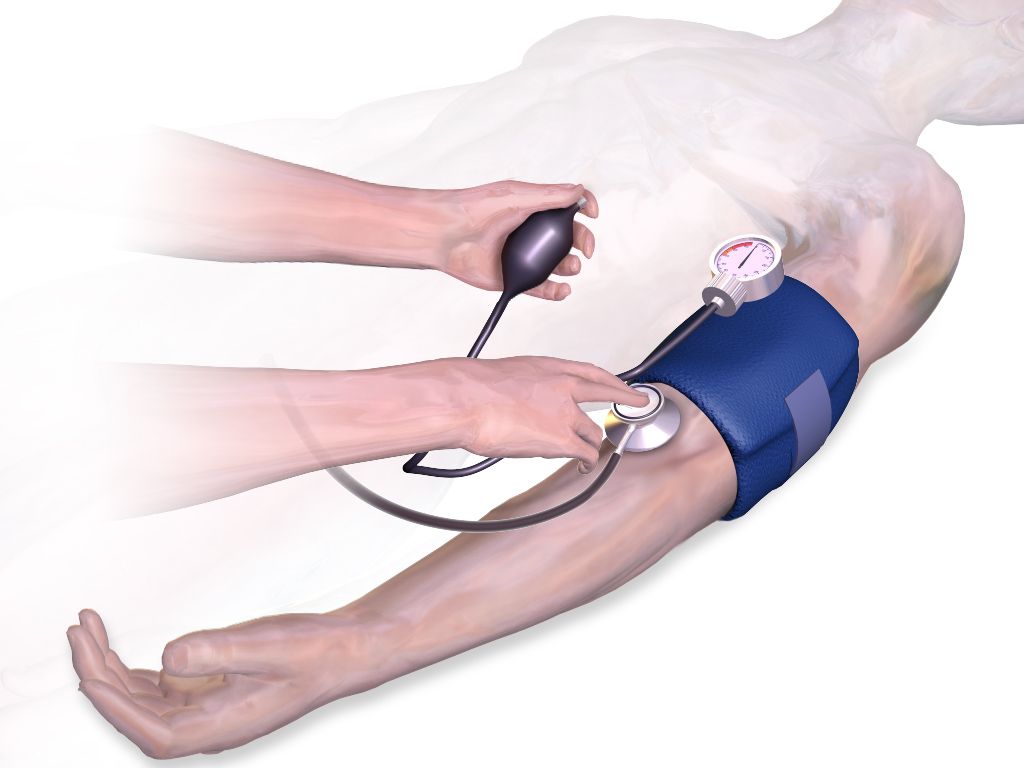
In practice this means you explain before you act and ask before you touch. “I need to take your blood pressure — is it all right if I put this cuff on your arm?” costs three seconds and returns control to a person who may have had very little of it. It means giving genuine choices where they exist: which chair, whether the door stays open, whether we cover the trauma history today or next visit. It means never requiring a person to recount details of an assault to satisfy your curiosity or the completeness of a form; you need to know that trauma occurred and how it affects them now, not a scene-by-scene account.
The signature reframe is from “What is wrong with you?” to “What happened to you?” The first invites the person to defend themselves; the second invites a history. Watch, too, for signs that the interview has gone too far too fast: the person’s voice flattens, they stop tracking you, they stare through you, they say they feel far away or unreal. That is dissociation, and the correct response is not to press on with your questions. Ground them — name the room, the day, your name, invite them to feel their feet on the floor or to hold something cool — and resume only when they are back with you, or stop.
Opening lines that work, and the ones that close a door
Openings matter disproportionately because the person is deciding, in the first exchange, whether you are safe to talk to. Begin with your name, your role and the purpose and length of the conversation, then hand them an open door: “I am the nurse looking after you today. I have about twenty minutes and I would like to understand what has been happening for you. Where would you like to start?” Then be quiet. The single most common student error is filling silence. Silence is not empty; it is where the person decides what to say.
| Situation | Non-therapeutic response | Therapeutic response | Why the difference matters |
|---|---|---|---|
| Person says “There is no point in any of this.” | “Of course there is — you have so much to live for.” | “No point in any of this. Tell me what you mean by that.” | Reassurance shuts down the disclosure and tells the person their feeling is wrong. Reflecting their own words invites them to say more, and this is exactly the moment a suicide screen should follow. |
| Person cries and cannot speak. | “Don’t cry. Everything is going to be fine.” | Stay, offer tissues, wait. “Take your time. I am not going anywhere.” | “Don’t cry” serves the nurse’s discomfort, not the patient. Tolerating distress without fixing it is a skill and it communicates that the person is not too much. |
| Person describes a belief you know is not true. | “That is not real. Nobody is putting cameras in your flat.” | “I do not see it the same way, and I can hear that it feels completely real to you. How frightening has that been?” | Arguing with a delusion entrenches it and puts you on the list of people who cannot be trusted. You neither agree nor debate — you validate the emotion and stay connected. |
| Person hesitates before answering about drinking. | “You are not drinking again, are you?” | “About how much are you drinking on a typical day at the moment?” | The first is a leading question that signals the right answer and invites concealment. The second is neutral, assumes nothing, and produces usable quantity data. |
| Person asks “Do you think I am crazy?” | “Don’t be silly, of course not.” | “What worries you most about that question?” | Quick denial closes the topic. Exploring it surfaces the real fear — often about insight, medication, or losing custody or a job. |
| Person will not answer and looks away. | “I need you to cooperate so I can finish this form.” | “You do not have to answer that now. Can I check back with you after lunch?” | Framing silence as non-cooperation makes the chart adversarial. Offering a return preserves the relationship and usually gets you the answer later. |
How you set up the encounter — safe room, private space, permission asked, silence tolerated, trauma assumed possible — determines the quality of every piece of data that follows.
Section 2The Mental Status Examination, Component by Component
Appearance, behaviour and motor activity
Begin describing before you begin asking. Appearance covers apparent versus stated age, build, grooming, hygiene, dress and its appropriateness to the weather and setting, distinguishing features such as scars, tattoos, injection sites, healed or fresh self-injury, tremor, or the flat, unblinking face of parkinsonism. Note whether clothing is dishevelled, whether it is layered oddly, whether it is flamboyant and mismatched in a way that fits hypomania. Note odours — alcohol, ketones, unwashed clothing — without editorialising. All of this is written as description: “dressed in three sweaters in warm weather, clothing soiled” rather than “poorly kempt.”
Behaviour and motor activity cover eye contact, cooperation with the interview, and the quantity and quality of movement. Psychomotor agitation is restlessness, pacing, wringing, inability to stay seated. Psychomotor retardation is slowing of movement and response so marked that the person may take several seconds to begin answering. Look specifically for medication-related movement: akathisia, a subjective inner restlessness with visible rocking or marching in place that patients describe as unbearable and that is frequently misrecorded as anxiety; the sustained, painful muscle contraction of acute dystonia — torticollis, jaw spasm, upward-fixed eyes in oculogyric crisis, and the laryngeal spasm that makes it an airway emergency — which appears within hours to days of a dose and is reversed with intramuscular anticholinergics; the rhythmic lip-smacking, tongue-rolling and choreiform finger movements of tardive dyskinesia, which emerges after months to years and may be irreversible; and the pill-rolling tremor, bradykinesia and cogwheel rigidity of drug-induced parkinsonism.
Also watch for catatonia, which is under-recognised and dangerous. Its features include immobility or stupor, mutism, negativism (resisting all instruction), posturing, waxy flexibility where a limb stays where you place it, echolalia (repeating your words) and echopraxia (copying your movements). Catatonia can also be excited and agitated. It carries real medical risk — dehydration, pressure injury, venous thromboembolism, rhabdomyolysis — and it can be the presentation of a medical illness, so it is escalated, not simply observed.
Speech, mood and affect
Describe speech by its form, not its content: rate, rhythm, volume, quantity, latency and prosody. Pressured speech is rapid, difficult to interrupt and often loud, and is a hallmark of mania. Poverty of speech, or alogia, means minimal spontaneous output and brief, empty replies, and is a negative symptom of schizophrenia as well as a feature of severe depression. Increased latency — a long pause before each answer — suggests psychomotor retardation, thought blocking, intoxication or a cognitive problem. Slurred speech (dysarthria) and word-finding failure (aphasia) point toward a neurological or toxic cause and should raise your index of suspicion for a medical mimic.
Then separate the two most commonly confused items in the whole exam. Mood is subjective and sustained: what the person tells you their emotional state has been, ideally in quotation marks — “numb,” “hopeless,” “fine, I guess.” Affect is objective and momentary: the emotional expression you observe, described along four axes — quality (euthymic, dysphoric, euphoric, irritable, anxious), range (full, restricted, blunted, flat), stability (stable or labile) and congruence with the stated mood and the content being discussed. A person who says “I am fine” while weeping has a mood of “fine” and an affect that is dysphoric and incongruent, and that mismatch is itself a finding.
Precision matters here because affect terms have specific meanings that examiners test. Restricted affect shows reduced intensity but is still clearly present. Blunted affect is a substantial reduction in expressed emotion. Flat affect is essentially absent expression — an immobile face, monotone voice, no gesture. Labile affect shifts abruptly and disproportionately, with tears becoming laughter within a minute. Incongruent affect — giggling while describing a bereavement — is a classic finding in psychosis but also occurs with anxiety and with some neurological disease, so it is described rather than interpreted.
Thought process and thought content
Thought process is how a person thinks: the organisation and flow of their ideas as revealed by their speech. Normal process is linear, logical and goal-directed. Circumstantial thinking wanders through unnecessary detail but eventually arrives at the point. Tangential thinking veers off and never returns. Loosening of associations means ideas shift with no logical link between them. Flight of ideas is rapid jumping between topics with recognisable connections, typical of mania. Thought blocking is an abrupt stop mid-sentence with the thought apparently gone. Other findings include perseveration, neologisms (invented words), clang associations (rhyme-driven speech) and, at the severe end, word salad.
Thought content is what the person is thinking. This includes delusions — fixed, false beliefs not explained by the person’s culture or faith and not shifted by contradictory evidence. Name the type: persecutory, grandiose, referential (ordinary events are messages aimed at them), somatic, nihilistic, erotomanic, or the passivity phenomena of thought insertion, thought withdrawal, thought broadcasting and delusions of control. Content also covers obsessions, compulsions, phobias, overvalued ideas, ruminations, poverty of content, and — always, without exception — suicidal and homicidal ideation. Record these in the person’s own words.
Two documentation habits will serve you for your entire career. First, quote verbatim for thought content: “They put a chip behind my left ear when I was in the emergency department” conveys more, and is more defensible, than “paranoid delusions present.” Second, distinguish what the person believes from what they intend to do about it. A persecutory delusion with no plan of action is a symptom; the same delusion with a named target, a stated intent and access to a weapon is an emergency, and the difference lives in your assessment questions, not in the diagnosis.
Perception, cognition, insight and judgement
Perceptual disturbance is asked about directly and unembarrassed: “Do you ever hear voices or other sounds when there is no one there?” and, if yes, “What do they say? Do they ever tell you to do things? Do you feel you have to obey?” Command hallucinations instructing self-harm or harm to others are a specific risk finding and must be documented and escalated. The modality matters diagnostically: auditory hallucinations are most typical of primary psychotic illness, whereas prominent visual hallucinations point toward delirium, substance intoxication or withdrawal, or a neurocognitive disorder such as Lewy body dementia; tactile hallucinations such as the sensation of insects on the skin suggest stimulant use or alcohol withdrawal; olfactory hallucinations raise the possibility of temporal lobe seizure. Illusions (misinterpreting a real stimulus), depersonalisation and derealisation belong here too.
Cognition, sometimes charted as sensorium, covers level of consciousness, orientation to person, place, time and situation, attention and concentration, immediate and delayed recall, remote memory, language, abstraction and calculation. Screen attention with serial sevens, spelling a five-letter word backwards, or reciting the months of the year in reverse. Test registration and three-item delayed recall. Test abstraction with proverb interpretation or similarities (“How are an apple and an orange alike?”), remembering that concrete answers can reflect education and language background as well as illness. Fluctuating attention is the single most important cognitive finding on a general ward because it is the core feature of delirium.
Insight is the person’s awareness that they are unwell, that their experiences are symptoms, and that treatment may help; describe it as full, partial or absent, and say what it is based on. Absent insight is not stubbornness — in schizophrenia and in some neurological conditions it can be anosognosia, a neurologically based inability to perceive one’s own deficit. Judgement is the capacity to make reasoned decisions and to anticipate consequences, and it is best assessed from real recent behaviour (“You left the flat at 2 a.m. without shoes — walk me through what you were thinking”) rather than from artificial scenarios about stamped envelopes.
| MSE domain | What you actually observe or ask | Descriptive terms to use |
|---|---|---|
| Appearance | Apparent age, build, grooming, dress, hygiene, scars or injection sites, odour | Dishevelled, meticulous, malodorous, dressed inappropriately for weather, healed linear forearm scars |
| Behaviour and motor | Eye contact, cooperation, movement quantity, abnormal movements | Psychomotor agitation or retardation, akathisia, tremor, tardive dyskinesia, guarded, catatonic features |
| Speech | Rate, volume, quantity, latency, prosody, articulation | Pressured, poverty of speech, increased latency, monotone, slurred, mute |
| Mood | “How has your mood been over the past couple of weeks?” | Patient’s own words in quotation marks — “empty,” “wired,” “desperate” |
| Affect | Observed expression: quality, range, stability, congruence | Euthymic, dysphoric, euphoric, irritable, restricted, blunted, flat, labile, congruent or incongruent |
| Thought process | Organisation and flow of ideas across the interview | Linear and goal-directed, circumstantial, tangential, loose associations, flight of ideas, thought blocking, perseveration |
| Thought content | Delusions, obsessions, ruminations, suicidal and homicidal ideation | Persecutory or grandiose delusion, thought broadcasting, obsessional, verbatim quotes for all risk statements |
| Perception | “Do you hear or see things others do not?” plus modality and command content | Auditory, visual, tactile or olfactory hallucinations; illusions; depersonalisation; derealisation |
| Cognition | Consciousness, orientation, attention, recall, language, abstraction | Alert and oriented to all four spheres, inattentive on months backward, three of three recall at five minutes, concrete abstraction |
| Insight and judgement | Awareness of illness; recent real-world decisions | Full, partial or absent insight; judgement impaired as evidenced by a specific stated behaviour |
The MSE is a structured description of observable present-moment function — appearance, behaviour, speech, mood, affect, thought process, thought content, perception, cognition, insight and judgement — recorded in descriptive language and verbatim quotes, never in verdicts.
Section 3Around the Exam: History, Medical Mimics, Cognition and Culture
The history that frames the exam
The MSE tells you how someone is now; the history tells you what that means. Gather the presenting problem in the person’s own words and its timeline — onset, course, triggers, what has helped. Take a psychiatric history: previous episodes, previous diagnoses, hospitalisations, previous suicide attempts and self-injury, medication trials and what happened with each, previous response to psychological therapy, and whether each previous admission was voluntary or involuntary. A past suicide attempt is the single strongest historical predictor of a future one, so it belongs on the front page of your assessment, not buried in the social history.
Then take the rest: full medication list including over-the-counter drugs, herbal products and anything borrowed from a relative; allergies; a substance history that asks about alcohol, nicotine, cannabis, stimulants, opioids, benzodiazepines and novel substances by name with quantity, route and time of last use; medical history and current physical symptoms; family psychiatric history including any deaths by suicide; and a developmental, trauma and social history covering housing, income, work or study, caregiving responsibilities, legal matters, firearms in the home, and who the person can actually call at 2 a.m.
Finally, ask what is going right. Strengths and protective factors are assessment data, not decoration: a person who has a job to return to, a dog to feed, a faith community, a sponsor, a child they are raising, or a treatment relationship they value has anchors that belong in your plan. Assessments that record only deficits produce plans that address only deficits, and they miss the levers that actually keep people alive.
Rule out the body: medical mimics
The most consequential error in psychiatric assessment is attributing a medical presentation to mental illness. Any new or abruptly changed psychiatric presentation — and especially new-onset psychosis after age 40, visual hallucinations, fluctuating consciousness, focal neurological signs, incontinence, abnormal vital signs or a first seizure — requires a medical workup before it is called psychiatric. Baseline investigation typically includes vital signs including temperature and oxygen saturation, capillary glucose, full blood count, electrolytes, calcium, renal and liver function, thyroid function, vitamin B12 and folate, urinalysis with culture in older adults, pregnancy testing where relevant, toxicology and, depending on presentation, electrocardiogram and neuroimaging.
Learn the classic mimics as a list you can run through automatically. Hypoglycaemia and hypoxia produce agitation and confusion within minutes. Infection, particularly urinary and respiratory, is the most common precipitant of delirium in older adults and may occur without fever. Hypothyroidism mimics depression; hyperthyroidism mimics anxiety and mania. Hyponatraemia, hypercalcaemia, hepatic encephalopathy and uraemia all produce cognitive and behavioural change. Corticosteroids, anticholinergics, interferon and stimulant decongestants all have well-described psychiatric effects, as do intoxication with and withdrawal from alcohol, benzodiazepines, stimulants and opioids.
Two mimics deserve particular attention because missing them is catastrophic. Alcohol withdrawal can progress to delirium tremens at roughly 48 to 96 hours after the last drink, with autonomic instability and a real mortality rate; it is not managed on a behavioural unit with reassurance. And autoimmune encephalitis, notably anti-NMDA receptor encephalitis, presents in young people with acute psychosis, catatonia, seizures, movement disorder and autonomic instability, and is treatable if recognised. The general rule stands: if the presentation is acute, fluctuating, or accompanied by abnormal vital signs or focal signs, treat it as medical until proven otherwise.
| Medical cause | Psychiatric presentation it imitates | Clue that it is not primary psychiatric illness |
|---|---|---|
| Hypoglycaemia | Agitation, confusion, aggression, anxiety | Diaphoresis, tremor, rapid resolution with glucose — always check a capillary glucose first |
| Hypoxia | Restlessness, agitation, confusion | Low oxygen saturation, tachypnoea, cyanosis; agitation is a late and ominous sign |
| Urinary or respiratory infection in an older adult | Acute confusion, hallucinations, behavioural change | Abrupt onset over hours to days, fluctuating attention, often afebrile |
| Hypothyroidism | Depression, fatigue, cognitive slowing | Cold intolerance, constipation, bradycardia, dry skin, raised thyroid-stimulating hormone |
| Hyperthyroidism | Anxiety, panic, mania | Weight loss, heat intolerance, tremor, tachycardia, suppressed thyroid-stimulating hormone |
| Hyponatraemia or hypercalcaemia | Depression, confusion, psychosis | Nausea, weakness, seizures, laboratory abnormality on basic chemistry |
| Vitamin B12 deficiency | Depression, irritability, memory loss, psychosis | Macrocytic anaemia, paraesthesia, gait change, sore tongue |
| Alcohol or benzodiazepine withdrawal | Anxiety, agitation, hallucinations, psychosis | Tremor, tachycardia, hypertension, diaphoresis, timing after last use, seizures |
| Anticholinergic or corticosteroid effect | Delirium, mania, psychosis | Recent medication start or dose change; dry, flushed, febrile, dilated pupils, urinary retention |
| Autoimmune encephalitis | Acute psychosis, catatonia | Young person, rapid onset, seizures, movement disorder, autonomic instability |
Cognitive screening and detecting delirium
Cognitive screening tools are not diagnostic; they are triage instruments that tell you whether more assessment is needed and give you a reproducible number to track over time. The Mini-Cog is fast — three-word registration, clock drawing, three-word recall — and useful when time is short. The Montreal Cognitive Assessment (MoCA) is scored out of 30 with a conventional cut-off around 26, is more sensitive than older tools to mild cognitive impairment and executive dysfunction, and includes an adjustment of one point for people with twelve or fewer years of formal education. Whichever tool you use, record the actual score and the version, not just “cognition intact.”
For delirium the instrument that matters is the Confusion Assessment Method (CAM), which is positive when there is (1) acute onset or a fluctuating course and (2) inattention, plus either (3) disorganised thinking or (4) an altered level of consciousness. Features one and two are both required. That structure is worth memorising because it captures the essential distinction from dementia: delirium has an acute onset over hours to days, fluctuates through the day, and impairs attention early, while dementia has an insidious onset over months to years with attention relatively preserved until late. Hypoactive delirium — the quiet, withdrawn, slowed-down form — is the most commonly missed and is frequently mislabelled as depression.
Interpret all cognitive screening in context. Poor performance may reflect sensory impairment, so put the person’s glasses and hearing aids on before you test. It may reflect language, education, pain, sedation, sleep deprivation, or simply that the person is being tested at 4 a.m. Never screen a person for cognitive impairment and file the result without noting these modifiers, and never use a screening score alone to justify a conclusion about capacity. Capacity is decision-specific and time-specific — a person may lack capacity to decide about surgery at 3 a.m. and have it back by morning, and may retain capacity to choose where they sit while lacking it for a discharge decision. It turns on whether the person can understand the relevant information, retain it long enough to use it, weigh it, and communicate a choice, not on whether their answer is the one you would have picked. A diagnosis, a low MoCA and a refusal of treatment are each, on their own, evidence of nothing about capacity.
Culture, language and collateral information
What counts as a symptom is partly cultural. Beliefs about spirits, ancestors, possession, the evil eye or divine communication may be entirely normative within a person’s community, and a belief shared by that community is not a delusion. Distress is also expressed differently across cultures, often somatically — as burning in the body, heaviness in the head, or heart distress — rather than as reported sadness. Ask what the person and their family think is causing the problem, what they call it, and what kind of help they think is needed. Practise cultural humility: you are the expert on the assessment, they are the expert on their world.
Use professional interpreters, never family members and never children, for anyone whose preferred language is not the language of the interview. A relative interpreting will filter, soften and omit, especially around suicide, sexuality, substance use and abuse — the exact areas you most need accurate. Speak to the patient rather than to the interpreter, use short segments, and allow additional time. Document that an interpreter was used and in what language.
Collateral information from family, carers, group homes, primary care, pharmacy records and previous notes is often what makes an assessment safe, particularly when the person minimises symptoms, is cognitively impaired, or is acutely psychotic. Seek consent where you can; where the person cannot or will not consent, most jurisdictions permit you to receive information from a concerned relative even when you cannot disclose it, and there are recognised emergency exceptions when there is serious risk. Note who gave the information and how it fits or conflicts with the person’s own account. Be straight about the limits of confidentiality at the start of the interview rather than discovering them halfway through a disclosure: what a person tells you stays inside the treating team, but you are obliged to act when there is a serious risk to their own life, a serious risk to an identifiable other person — the duty to warn and protect — or suspected abuse or neglect of a child, a dependent adult or an older adult. Saying this in the first minute is fairer than apologising for it afterwards, and in practice it rarely stops anyone talking.
The mental status exam is only interpretable alongside the history, a deliberate search for medical mimics, structured cognitive and delirium screening, cultural context and collateral information.
Section 4Asking About Suicide Directly
The myth that has to be named and refuted
Students arrive believing that asking about suicide might put the idea in someone’s head. This is false, it has been studied repeatedly, and the evidence points the other way: asking directly about suicidal thoughts does not increase ideation or attempts, and for many people it reduces distress because it is the first time anyone has been willing to say the word. Avoidance is what does harm. When nurses hint — “You’re not thinking of doing anything silly, are you?” — the person learns that the topic is unspeakable, and they answer the question they were asked, which was an invitation to say no.
So ask plainly, in a matter-of-fact voice, using the word. “Sometimes when people are going through what you are going through, they have thoughts of killing themselves. Have you had thoughts like that?” The normalising preface makes it easier to say yes. If the answer is yes, do not react with alarm; alarm teaches the person to stop talking. Stay with them, thank them for telling you, and keep going with the next questions. Your calm is the intervention.
Language matters here as much as anywhere in nursing. Say a person died by suicide, not “committed suicide” — committing is what one does with a crime or a sin, and the phrase carries centuries of moral judgement. Say a suicide attempt was fatal or non-fatal, not “successful” or “failed.” Never describe an attempt as a “gesture” or “manipulative”: low-lethality attempts are strongly associated with later fatal ones, and dismissing them has killed people. The same discipline governs the rest of your vocabulary. A person is not “a schizophrenic,” “a borderline” or “an anorexic” but a person living with schizophrenia, with borderline personality disorder, with anorexia nervosa; not “an addict,” “an abuser” or “a substance abuser” but a person with a substance use disorder. Toxicology screens are positive or negative, never “clean” or “dirty.” And nobody is “committed” by a nurse — the term is involuntary admission, a legal process with defined criteria, review and a right of appeal. These are not points of etiquette. Labelling language measurably changes how much analgesia, how much explanation and how much benefit of the doubt the next clinician offers. Screening is also increasingly universal rather than selective — national safety standards now direct that all patients presenting for behavioural health conditions be screened with a validated tool, precisely because clinical impression alone performs poorly.
Ideation, plan, intent, access — the four questions that structure the screen
A suicide risk assessment is not a yes-or-no item; it is a graded sequence, and each step changes the plan. Ideation is having thoughts of death or of killing oneself, which may be passive (“I wish I would not wake up”) or active (“I think about hanging myself”). Plan is a specific method, and its specificity, lethality and rehearsal matter enormously — “I would take pills” is different from “I have counted out sixty tablets and chosen Saturday when my sister is away.” Intent is the degree to which the person wants to act and expects to. Access to means is whether the method is available right now, and it is the element you can most often change.
Ask the whole ladder, in order, and do not stop early because the first answer sounded reassuring. Also ask about preparatory behaviour, which is frequently missed and highly predictive: giving away possessions, writing a note, updating a will, saying goodbyes, researching methods, buying the means. Ask about the previous attempt in the same detail — when, method, what happened, was it interrupted, did the person expect to die, how do they feel about having survived. A person who regrets surviving is at higher risk than a person who is relieved.
| Step | Ask it like this | What a concerning answer sounds like | What it changes |
|---|---|---|---|
| Ideation | “Have you had thoughts of killing yourself?” “How often, and how long do the thoughts stay?” | “Most of the day, every day, and they are getting louder.” | Triggers full assessment and documentation; frequency and duration guide observation level |
| Plan | “Have you thought about how you would do it?” | A specific method, place and time; steps already rehearsed | Specificity and lethality raise acuity sharply; the named method drives means restriction |
| Intent | “How close have you come to acting on this?” “What has stopped you so far?” | “Nothing is stopping me now” or the loss of a previously protective reason | Loss of deterrents is a major escalation; requires immediate safety measures and provider notification |
| Access to means | “Do you have a firearm at home? Where are your medications kept?” | Loaded firearm in the bedroom; a hoarded supply of tablets | Directly actionable — means restriction, involving a support person, securing or removing the method |
| Preparatory acts | “Have you done anything to get ready — written anything, given things away?” | A note written; pet rehomed; goodbye messages sent | Preparatory behaviour indicates high acuity even if the person denies current intent |
| Protective factors | “What has kept you going?” | Silence, or “nothing anymore” | Identifies levers for the safety plan; their disappearance is a warning in itself |
Risk factors, protective factors and the limits of scoring
Risk factors give you epidemiological context, not prediction for an individual. The strongest are a previous suicide attempt and current active ideation with a plan. Others include a mood disorder, a substance use disorder, psychosis with command hallucinations, chronic pain or terminal illness, recent discharge from psychiatric care (the first weeks after discharge carry markedly elevated risk), a recent loss such as bereavement, relationship breakdown, job loss, legal trouble or humiliation, social isolation, access to firearms, family history of suicide, being a member of a group facing discrimination, and being an older adult man. Hopelessness deserves special mention: it predicts risk more reliably than sadness does. One treatment-related window belongs on the list as well. Antidepressants take roughly two to six weeks to lift mood, but psychomotor energy, initiative and concentration frequently return first — which can leave a person with the drive to act on thoughts they already had while the hopelessness has not yet shifted. The early weeks of treatment, and the weeks after any dose change, are therefore a period of raised risk in which you increase monitoring rather than relax it, and this applies with particular force to adolescents and young adults.
Protective factors include responsibility for children or dependants, pregnancy, a strong therapeutic alliance, meaningful social connection, religious or cultural beliefs that prohibit suicide, engagement in treatment, effective problem-solving and reasons for living the person can articulate. Protective factors are real but they are not armour — they can vanish in an afternoon, and a person with many of them can still die. Never document “low risk” on the strength of protective factors when the person has active intent.
Structured tools help standardise the conversation. The Columbia Suicide Severity Rating Scale (C-SSRS) is widely used and walks through ideation severity, intensity, and behaviour. The Ask Suicide-Screening Questions (ASQ) tool is a brief four-question screen validated for medical settings including paediatrics. Item nine of the PHQ-9 functions as a screening trigger, not an assessment. Older checklist scores such as SAD PERSONS have poor predictive validity and should not be used to make disposition decisions. Understand what these tools do: they structure and document, they do not predict, and no score overrides your clinical judgement or a patient telling you they intend to die.
Means restriction and collaborative safety planning
Means restriction is among the most effective suicide-prevention interventions that exists, because suicidal crises are frequently short-lived and highly method-specific. Putting time and physical distance between a person and their chosen method converts a lethal moment into a survivable one. In practice: counsel about securing or temporarily removing firearms from the home (firearms account for the majority of suicide deaths in the United States and are the most lethal method by a wide margin), dispense medication in limited quantities or blister packs, involve a trusted person to hold medication, secure sharps, and address ligature points and access to heights on inpatient units. Ask about firearms explicitly and without apology — it is a clinical question, like asking about allergies.
Then build a safety plan with the person, not for them. The widely used format has six collaborative steps: identifying the person’s own warning signs; internal coping strategies they can use alone; people and social settings that provide distraction; specific people they can ask for help, named with numbers; professionals and crisis services, including the 988 Suicide and Crisis Lifeline in the United States; and making the environment safer. It is written in the person’s words, they keep a copy, and it is revisited and revised rather than filed.
What you do not do is ask a patient to sign a “no-suicide contract” or “contract for safety.” There is no evidence these reduce suicide, they carry no legal protection, they can suppress honest disclosure because the person does not want to disappoint you, and they falsely reassure staff. Replace the contract with the safety plan, means restriction, an appropriate level of observation and a follow-up appointment that is actually booked. On the unit, remember that observation is a nursing intervention with a prescribed level — general, intermittent at a specified interval, or continuous one-to-one within arm’s reach — and that the level is a clinical decision made by a registered nurse or provider, never by the person carrying it out.
Ask about suicide directly and by name, take the ladder from ideation to plan to intent to access to preparatory acts, restrict lethal means, and build a written collaborative safety plan — never a no-harm contract.
Section 5Other Risk Screens, Delegation, Documentation and Escalation
Non-suicidal self-injury is not a failed suicide attempt
Non-suicidal self-injury (NSSI) is deliberate damage to one’s own body tissue without intent to die — most often cutting, burning, scratching or hitting. Its function is usually regulatory: to interrupt overwhelming emotion, to end dissociation and feel something, to convert unbearable internal pain into a manageable external one, or to express distress that cannot be spoken. Assess it as you would any behaviour: what happened just before, what the person hoped it would change, what it actually achieved, method and location, whether it required medical care, and — separately and explicitly — whether there was any intent to die.
You must ask the intent question separately every single time, because NSSI and suicidal behaviour can occur in the same person, sometimes in the same episode, and because NSSI is itself a substantial risk factor for later suicide. Never assume that because someone has self-injured many times without dying, this episode is the same. Assess each one.
Respond with matter-of-fact care and curiosity, not disgust, alarm or reward. Treat the wound competently and without commentary. Do not make attention contingent on injury — that is, do not become warm and available only after self-injury and distant otherwise — and equally, never withhold basic humane care as a consequence. Ask what the person needs instead next time, and work on alternative regulation strategies, distress tolerance skills and the triggers you identified. Language check: this is a person who self-injures, not a “cutter,” and the behaviour is communication, not manipulation.
Aggression risk: screen it, then de-escalate
Start with the truth that undoes the stereotype: people living with mental illness are far more likely to be the victims of violence than the perpetrators of it, and the great majority never harm anyone. Violence risk on a behavioural unit is driven less by diagnosis than by state — intoxication or withdrawal, delirium, acute pain, fear, akathisia, being told no without explanation, and a history of previous violence, which remains the best single predictor. Structured tools such as the Brøset Violence Checklist track six observable behaviours over each shift: confusion, irritability, boisterousness, physical threats, verbal threats and attacking objects.
Recognise escalation early, when it is still cheap to interrupt: pacing, raised voice, clenched fists or jaw, refusing to sit, invading personal space, staring, sudden silence after agitation, and demands that repeat. At that point de-escalate before anything else. Give the person space — two arm-lengths, no cornering, an exit for each of you. Reduce stimulation: fewer staff visible, lower voices, television off. One nurse speaks. Use the person’s name, a low slow voice, short sentences. Acknowledge the feeling out loud and offer real choices: “You are furious that the visit was cancelled. Would it help to talk in the quiet room, or would you rather walk with me for a bit?” Offer food, drink, a phone call, medication if it is ordered as needed, or simply time.
Seclusion and restraint are last-resort interventions used only when there is an imminent risk of serious harm and less restrictive measures have failed or are clearly inadequate, and the least restrictive effective option is always taken first. They are never used for staff convenience, for punishment, for coercion or as a substitute for adequate staffing. They require an order from an authorised prescriber, cannot be ordered as needed, are time-limited by regulation with tighter limits for children and adolescents, require an in-person evaluation within a defined window, and require continuous or very frequent monitoring of circulation, airway, hydration, toileting, skin and vital signs, with documentation and a debrief afterwards. The full legal detail belongs to the chapters on law and on crisis; what belongs here is the assessment discipline that keeps you from needing them.
Withdrawal, interpersonal violence and the screens that are easy to skip
Substance withdrawal is a medical emergency hiding inside a psychiatric presentation. For alcohol, use the CIWA-Ar, which scores ten items including tremor, sweating, nausea, anxiety, agitation, headache, sensory disturbance and orientation; scores in the mid range typically trigger symptom-triggered medication and higher scores signal serious risk. Know the timeline: minor withdrawal from about 6 to 24 hours, seizures commonly between 12 and 48 hours, alcoholic hallucinosis around 12 to 24 hours, and delirium tremens from roughly 48 to 96 hours. For opioids, the COWS scale grades severity; opioid withdrawal is intensely unpleasant and dangerous in pregnancy and with severe dehydration, but rarely lethal in itself — the lethal risk comes after, when tolerance has dropped and a person returns to a previous dose.
Screen for interpersonal and domestic violence privately, always without the accompanying person in the room, and never through a family interpreter. Frame it universally: “Because it is so common, I ask everyone — has anyone at home hurt you, threatened you, or made you afraid?” If the answer is yes, do not push for a plan to leave, which is the most dangerous period; validate, assess immediate safety and access to a safe place, document objectively, offer resources and involve social work, and know your jurisdiction’s mandatory reporting rules for children, dependent adults and older adults. Screen also for human trafficking indicators, for food and housing insecurity, and for firearm access in the home — these are clinical data.
Finally, watch for the medication emergencies that first present as a change in mental status, because a nurse doing a routine mental status check is often the person who catches them: the hyperthermia, rigidity, altered consciousness and autonomic instability of neuroleptic malignant syndrome; the agitation, clonus, hyperreflexia, diaphoresis and hyperthermia of serotonin syndrome. Do not let those two blur together, because the discriminators are testable and they change what you do. Neuroleptic malignant syndrome builds over days after an antipsychotic is started, increased or switched, and gives you generalised lead-pipe rigidity with normal or reduced reflexes, marked hyperthermia, a rising creatine kinase and a risk of rhabdomyolysis and renal failure; the antipsychotic is stopped, and treatment is aggressive cooling and supportive care, with dantrolene or bromocriptine if needed. Serotonin syndrome comes on within hours of starting, increasing or combining serotonergic drugs, and gives you hyperreflexia and inducible clonus that are most marked in the legs, together with dilated pupils, hyperactive bowel sounds, tremor and diarrhoea; the serotonergic agents are stopped, and treatment is supportive care with benzodiazepines and, if severe, cyproheptadine. Rigidity with hyporeflexia after an antipsychotic points to NMS; clonus with hyperreflexia after a serotonergic drug points to serotonin syndrome.
Three other bedside catches belong with them. Lithium toxicity announces itself as coarse tremor, vomiting, diarrhoea, ataxia, slurred speech and confusion; the therapeutic range is narrow at roughly 0.6 to 1.2 mEq/L, toxicity appears above about 1.5, and anything that concentrates the drug tips a stable patient over — dehydration, vomiting or diarrhoea, heat and heavy sweating, sodium restriction, and the classic interacting drugs, which are NSAIDs, thiazide diuretics and ACE inhibitors. Fever, sore throat or any infection in a person taking clozapine is agranulocytosis until an absolute neutrophil count proves otherwise, which is exactly why clozapine carries mandatory scheduled ANC monitoring. A severe throbbing occipital headache with hypertension, sweating and neck stiffness in a person taking a monoamine oxidase inhibitor is a tyramine hypertensive crisis until proven otherwise — ask what they have eaten, because aged cheeses, cured and fermented meats, soy sauce, sauerkraut, tap beer and yeast extracts are the usual culprits. Remember too that benzodiazepines, so often given for agitation, can themselves produce the change in mental status you are assessing: oversedation and respiratory depression, especially combined with opioids or alcohol, falls and confusion in older adults, anterograde amnesia, and paradoxical disinhibition in which the person becomes more agitated rather than less. These are covered mechanistically in the psychopharmacology chapter, but they are found at the bedside during assessment.
Documenting, delegating and escalating
Document the assessment in the same structure every time so that nothing is skipped and so that changes across shifts are visible. Use observed behaviour and verbatim quotes; state what was asked and what was answered, including negatives (“denied suicidal ideation, plan and intent when asked directly at 1400”); record the tool used, the score, and the version; record who else you spoke to and what you escalated, to whom, at what time, and what response you received. If a risk finding was communicated and nothing changed, document that too — escalation is a chain and each link needs a record.
Delegation on a behavioural unit follows the same rule as everywhere else: you may delegate tasks, never the nursing process. Assistive personnel can perform continuous or intermittent observation when given clear, specific instructions about level, distance and what to report; take and record vital signs; assist with hygiene, meals and activities of daily living; conduct environmental safety sweeps and searches per policy; escort patients; and report exactly what they see and hear. They cannot assess, screen for suicide risk, interpret findings, teach, evaluate response, decide or change an observation level, triage a phone call, or judge whether a statement about self-harm needs reporting — they report everything, and you assess it. The stability rule sits alongside the task rule: a patient who is unstable or changing quickly — actively suicidal, withdrawing, delirious, newly restrained or escalating toward violence — stays with the registered nurse, who keeps re-assessing rather than treating the assignment of an observer as though it were the whole of that person’s care.
| Red flag found during assessment | Immediate nursing action | SBAR escalation |
|---|---|---|
| Active suicidal ideation with a plan and available means | Do not leave the person alone; initiate continuous observation; remove or secure the named means; search per policy | S: Mr J in bed 4 has active suicidal ideation with a plan. B: Admitted yesterday for depression, one previous attempt by overdose. A: States he has hoarded his own tablets at home and intends to use them on discharge; denies any reason to stay alive. R: I have started one-to-one observation and need you to review him now and confirm the observation level. |
| Fever, rigidity, altered mental status in a person on an antipsychotic | Stop giving further doses pending review; full vital signs including temperature; cooling; nil by mouth pending review; prepare for transfer | S: Possible neuroleptic malignant syndrome. B: Haloperidol started three days ago. A: Temperature 39.4 degrees Celsius, rigid limbs, confused, heart rate 128, blood pressure labile. R: Please attend immediately; I have held the next dose and request urgent medical review and creatine kinase. |
| Acute confusion with fluctuating attention in an older adult | Capillary glucose, oxygen saturation, full vital signs, urinalysis, review medication list; orient, keep glasses and hearing aids on, reduce noise | S: Acute delirium. B: Admitted with depression, catheterised two days ago. A: CAM positive — acute onset, inattentive, disorganised speech; temperature 37.9, cloudy urine. R: Requesting medical review and urine culture now. |
| Escalating agitation with verbal threats | De-escalate: space, one speaker, reduce stimulation, offer choices; move others to safety; call for staff support early | S: Escalating agitation on the unit. B: Told an hour ago that leave was cancelled; history of assault. A: Pacing, shouting, has struck a door; verbal de-escalation attempted twice. R: Need additional staff now and a review of the as-needed medication order. |
| Command hallucinations to harm self or others | Ask directly about content, target, and whether the person feels compelled to obey; ensure a safe environment; do not leave alone | S: Command hallucinations with a named target. B: Known schizophrenia, medication stopped two weeks ago. A: States a voice is instructing her to hurt her neighbour and she is finding it hard to resist. R: Requesting urgent psychiatric review and guidance on duty-to-warn obligations. |
| Sudden calm and improved mood after severe depression | Do not reduce observation; assess directly for a decision made, preparatory acts and giving away possessions | S: Concerned about an abrupt change in presentation. B: Four weeks of severe depression with hopelessness. A: Today bright and settled, gave away a wristwatch, wrote letters. R: Requesting review before any change to observation level. |
Screen deliberately for self-injury, aggression, withdrawal and abuse; de-escalate before restricting; delegate tasks but never assessment; and close every risk finding with an observation level, a means-restriction action and a documented SBAR escalation.
The chapter in one breath
Psychiatric assessment is done with your presence, not with equipment. Set the encounter up so it is safe and private, assume that a trauma history may be present, ask permission, and tolerate silence — the interview is your diagnostic instrument and your first therapeutic act. The mental status examination describes the present moment across appearance, behaviour and motor activity, speech, mood, affect, thought process, thought content, perception, cognition, and insight and judgement. Write it descriptively and quote the person verbatim; mood is what they say, affect is what you see, and words like “manipulative” or “non-compliant” are judgements that harm patients rather than findings that help them. The exam only means something alongside a full history, a deliberate hunt for medical mimics, delirium and cognitive screening, cultural context and collateral information. Ask about suicide directly, by name — asking does not plant the idea — and take the ladder from ideation to plan to intent to access to preparatory acts. Restrict lethal means, build a written collaborative safety plan rather than a no-harm contract, screen for self-injury, aggression, withdrawal and abuse, de-escalate before you ever restrict, delegate tasks but never the nursing process, and close every risk finding with an observation level and a documented SBAR escalation.
Words worth knowing
| Term | What it means |
|---|---|
| Mental status examination (MSE) | A structured, cross-sectional description of a person’s present appearance, behaviour, speech, mood, affect, thinking, perception, cognition, insight and judgement. |
| Mood | The person’s own subjective, sustained emotional state, documented in their words. |
| Affect | The observed, moment-to-moment emotional expression, described by quality, range, stability and congruence with stated mood. |
| Blunted, flat and labile affect | Substantially reduced expression; essentially absent expression; and rapidly shifting, disproportionate expression, respectively. |
| Thought process | How thinking is organised and flows — linear, circumstantial, tangential, loose associations, flight of ideas, thought blocking. |
| Thought content | What the person is thinking — delusions, obsessions, ruminations, and always suicidal and homicidal ideation. |
| Delusion | A fixed, false belief that is not shared by the person’s culture or faith community and does not yield to contradictory evidence. |
| Command hallucination | A hallucination that instructs the person to act, notably to harm themselves or others; always assessed for content, target and compulsion to obey. |
| Akathisia | Medication-induced subjective inner restlessness with visible pacing or rocking, frequently and wrongly charted as anxiety. |
| Catatonia | A syndrome of motor and behavioural abnormality — stupor, mutism, negativism, posturing, waxy flexibility, echolalia — carrying real medical risk. |
| Anosognosia | A neurologically based inability to recognise one’s own illness or deficit; not denial and not refusal. |
| Delirium | An acute, fluctuating disturbance of attention and awareness caused by an underlying medical problem; the hypoactive form is the most commonly missed. |
| Confusion Assessment Method (CAM) | A delirium screen requiring acute onset or fluctuating course plus inattention, with either disorganised thinking or altered level of consciousness. |
| Trauma-informed care | Practising on the assumption that trauma may be present, prioritising safety, trust, choice, collaboration and empowerment to avoid re-traumatising. |
| Suicidal ideation, plan, intent and access | The four graded elements of a suicide screen: thoughts of dying, a specific method, the will to act, and current availability of the means. |
| Means restriction | Putting time and distance between a person and their preferred method — securing firearms, limiting medication supply, addressing ligature points. |
| Safety plan | A written, collaborative plan of warning signs, coping strategies, supportive people, crisis contacts and environmental safety steps, kept by the person. |
| Non-suicidal self-injury (NSSI) | Deliberate tissue damage without intent to die, usually serving emotional regulation; intent to die is asked about separately every time. |
| CIWA-Ar and COWS | Structured severity scales for alcohol withdrawal and opioid withdrawal that drive symptom-triggered treatment. |
| Collateral information | Data from family, carers, records and other services that verifies or completes a person’s own account, especially when insight is limited. |